Showing posts with label SuperFoods. Show all posts

Sunday, July 14, 2013

Do Not Try Moringa Oleifera Until You Read the Facts About It

Moringa-Oleifera-TreeHave you recently been hearing about the mystical miracle tree, or the tree of life?

These are terms that have been offered to describe an incredible supplement called Moringa Oleifera, and it has a number of amazing health benefits. Would you believe us if we told you that it has been around for hundreds of years, helping people to hold on to their good health, to recover from medical problems, and to jump start their energy levels?

And even better, it grows naturally all around the world, it is safe to consume, and is a medically proven health supplement.

Moringa Oleifera is an energizing product that helps with healing and medical prevention as well. It is used for many reasons, skin disorder treatment, diabetes, sleep improvement, relief for anxiety and depression. It can give you a huge boost in energy, it has the ability to even out your blood sugar levels, and it can even help you recover more quickly after a workout.

The product is created from the Moringa tree, which is also often referred to as the drumstick tree because of the way it looks. This is because it is long and thin, with triangular pods of seeds. The trees grow best in areas where it is dry and sandy. These kinds of trees grow quickly and they are not easily killed by a lack of water or poor soil. Distributors are working on growing it in Hawaii currently, because the climate is perfect for cultivating the product.

Right now, most Moringa comes from India, but it is also found in Thailand, the Philippines, Africa, and Taiwan. It resembles horseradish, and is often compared to it for the taste. It has a spicy taste to it if you taste the wood directly, which has led it to have a nickname of “Horseradish tree”.

This product is great for people who need a boost in their nutrition. As an example, carrots only have 25% of the vitamin A that you can get in the same amount of Moringa Oleifera. Shocked? It also has four times as much calcium as you get from milk, three times the amount of potassium as you get from bananas. Traditionally these are the foods where you think you get the MOST bang for your buck, but instead, this supplement crushed the numbers in every category.

In one serving of Moringa Oleifera leaves, you can find:

22% daily value of Vitamin C
41% daily value of Potassium
61% daily value of Magnesium
71% daily value of Iron
125% daily value of Calcium
272% daily value of Vitamin A

And:
92 Nutrients
46 Antioxidants
36 Anti-Inflammatories
18 Amino Acids, 9 Essential Amino Acids

Moringa Oleifera superfood is a complete health product that will not only provide you with the vitamins you need, but also improve your overall health as well.

Here are more Moringa Oleifera benefits:
Boosts energy levels
Improved digestion
Improved immune system function
Improved mood
Lower blood pressure
Protects the stomach lining
Treats stomach ulcers
Plus many more!

Want to know more?
Moringa is a tree, and various parts of the plants are edible. Some people use the pods in cooking, while others eat the leaves. You can additionally press oil from the seeds, or eat the roots. The plant also has flowers, which are comparable to mushrooms.

Traditional medicine uses the roots, leaves and seeds in their medicinal recipes. There isn’t much this plant can’t do! The leaves are the best part of the plant though, because that is where you get high levels of vitamins, like C, A, and B. The leaves can be cooked like spinach, or they can be dried and used in soups or other recipes.

The pods can be eaten like nuts, and the roots can be diced up and used as a sauce similar to our use for horseradish.

Many underdeveloped countries rely on the Moringa to help with their malnutrition problems. Some humanitarian aid organizations use it to help keep people’s nutrition levels up and to keep people from starving.

So you’re probably wondering why you haven’t heard of this product, because who would ignore these incredible results? Unfortunately, the medical community hasn’t committed to let the public know about it yet.

While more studies are currently happening to fully understand the medicinal values of Moringa, obviously we can’t go out to a Moringa tree and pick leaves, or hope to pick it up at the local supermarket. Luckily, more and more distributors are creating supplements in pill and powder form so that the average American can have access to Moringa’s valuable effects.

Luckily, the word is out! Partly due to Dr. Oz featuring Moringa Oleifera on his successful afternoon talk show. He referred to it as an energy blaster, and he’s right! People who have taken Moringa Oleifera report that they’ve seen a boost in their energy levels and feel better than ever! The best part is that after taking the supplement, you’ll feel an increase in your energy levels, but you won’t feel that lull or ‘down’ feeling after it wears off.

Now, you can purchase Moringa Oleifera in capsules right online to be shipped to your home. They are inexpensive, and can help you with a multitude of medical conditions that you may be having trouble with. Moringa capsules are safe, and you can find some that are produced at FDA inspected and GMP approved facilities in America.

Patients take two capsules twice per day, or about one bottle per month. This can replace traditional vitamins, and can help you eliminate worry from your life if you are trying to get the right vitamins and minerals into your diet through eating food alone.

You can also purchase Moringa in tea bags, which makes it quite convenient to get your daily dose of the supplement simply by steeping a tea bag during your morning routine.

You may want to speak with your doctor before adding Moringa Oleifera to your diet, to be sure that it will be best for you and your specific needs.

As Dr. Oz reports, these techniques have been used for centuries to give people an energy boost and to improve the health of human beings. Just because we don’t use them currently doesn’t mean we shouldn’t revisit them to see if they can be a benefit to our health.

If you are looking for a way to get all the vitamins and minerals into your diet that you need, or if you simply want a boost in your daily energy level to help you tackle all of the many things you have to do each day, try out Moringa Oleifera now.

Have you tried Moringa Oleifera? What were your results? How do you feel about it? Share your thoughts with us!

http://idealbite.com/do-not-try-moringa-oleifera-until-you-read-the-facts-about-it/

Moringa, More Than You Can Handle

By Green Deane

Moringa wood is extremely brittle

Moringa oleifera ….Monster…. Almost

If you have a warm back yard, think twice before you plant a Moringa tree.

Is it edible? Yes, most of it. Is it nutritious? Amazingly so, flowers, seeds and leaves. Does it have medical applications? Absolutely, saving lives on a daily basis.  Can it rescue millions from starvation? Yes, many times yes. So, what’s the down side? They don’t tell you that under good conditions it grows incredibly fast and large, overwhelming what ever space you allot to it. It can grow to monster proportions in one season.

Leaves eaten raw or cooked

I live in central Florida exactly — and I mean exactly — on the line between temperate and subtropical. I have not experienced a hard freeze here in seven years probably because I sit on a hill and have a 30,000 gallon pool to moderate temperatures. Around year two I got two food trees, Katuk and Moringa. You can read about the Katuk in another article.

It is an understatement to say the Moringa grows more than 10 feet a year. I have two trees and every year I cut off 15- to 20-foot branches. It requires constant attention. Despite its impressive growth pattern, it’s an extremely brittle tree. A man can easily break off a branch four inches through,…. It’s nice to feel like Hercules now and then.

The easy-breaking branches also lend themselves to a common-heard phrase in India when someone is being a little too demanding: “Don’t push me up a Moringa tree.” But, I will admit both trees withstood 100 mph winds three times in the hurricanes of 2004.

I want to impress upon you that my reference as to how fast this tree grows is a gross understatement, no matter how overstated it might seem. While gigantic growth is great for hungry poor countries, it is a significant headache for a suburban yard, even a 40-acre ranch.  Unattended, the tree grows into a spindly giant. If you don’t attend it twice a month you will have a monster on your property, and I have two of them, one self-seeded. Should you choose to grow it, just know what you are getting in for. Now days I cut both trees back to a three foot stump every spring, the same as where they are cultivated. These things grow so fast, I speculate you could get a crop of leaves off them in Northern Canada. Then over winter it inside.  It might make a real nice potted, pruned indoor tree for northern climes. That said, let’s view the virtues of the Moringa.

This tree is one of the world’s most useful plants. A native to the southern foothills of the Himalayas, Moringa oleifera  (mo-RIN-ga oh-lee-IF-er-uh) is cultivated around earth’s tropical belt. Moringa is grown for its leaves, fruits, seed, sap and roots. It provides a variety of food and medicine. The young fruits pods, called drumsticks, can be cooked many ways, often like green beans, and have an asparagus taste. A superior cooking oil comes from the seeds, and the light oil can be used to lubricate delicate mechanisms. The leaves are extensively used as a vegetable — I have a restaurant-owning Chinese friend who makes a great soup out of them — and the roots are made into a condiment resembling horseradish in taste, but use it sparingly for it contains an alkaloid, spirochin. A blue dye can be made from its sap. Even a health drink is made from the tree. M. oleifera also might have a great future in water purification, a prime cause of illness in the world. And that is just the start of the amazing overgrown weed called “The Miracle Tree.”

Dry moringa seeds

There is only one family of Moringa trees, and only 13 members, making it one of the smallest groups. Of all 13, M. oleifera is the one most cultivated and usually the one referred to when talking about the edible Moringa. The name Moringa comes from the Tamil/Malayalam word murungakka. A search using “murungakkai” will produce many recipes. Oleifera means oil bearing. In the Philippines it is called “mother’s best friend,” in Florida, “the horseradish tree,” and in India “the drumstick tree.” In India it is an absolute must-have plant in the kitchen garden. In Thialand they are used as living fences.

From a food point of view, Moringa leaves can be used like spinach, though they are far more nutritious. Sorry Popeye. The leaves can be used fresh or dried into a powder. The leaves are an excellent source of vitamin A and C, a good source of B vitamins, and among the best plant sources of minerals. The calcium content is very high, iron is good enough to treat anemia — three times that of spinach — and it’s an excellent source of protein while being low on fats and carbohydrates. Said another way, Moringa leaves have seven times the Vitamin C of oranges, four times the calcium of milk, four times the vitamin A of carrots, three times the potassium of bananas, and two times the protein of yogurt. That’s quite a line up. The leaves also have the sulfur-containing amino acids methionine and cystine. Medically it is antibiotic and research shows it can be used to treat high blood pressure. A leaf tea is used by diabetics to help regulate their blood sugar. It is full of antioxidants, is anti-cancerous, and when eaten by mothers they give birth to healthier, heavier babies.  A 28 December 2007 study said a root extract is very anti inflammatory.

In fact, let me quote you an earlier abstract from Phytotherapy Research 16 Sept 2006:

Moringa oleifera Lam (Moringaceae) is a highly valued plant, distributed in many countries of the tropics and subtropics. It has an impressive range of medicinal uses with high nutritional value. Different parts of this plant contain a profile of important minerals, and are a good source of protein, vitamins, -carotene, amino acids and various phenolics. The Moringa plant provides a rich and rare combination of zeatin, quercetin, -sitosterol, caffeoylquinic acid and kaempferol. In addition to its compelling water purifying powers and high nutritional value, M. oleifera is very important for its medicinal value. Various parts of this plant such as the leaves, roots, seed, bark, fruit, flowers and immature pods act as cardiac and circulatory stimulants, possess antitumor, antipyretic, antiepileptic, antiinflammatory, antiulcer, antispasmodic, diuretic, antihypertensive, cholesterol lowering, antioxidant, antidiabetic, hepatoprotective, antibacterial and antifungal activities, and are being employed for the treatment of different ailments in the indigenous system of medicine, particularly in South Asia. This review focuses on the detailed phytochemical composition, medicinal uses, along with pharmacological properties of different parts of this multipurpose tree. Copyright © 2006 John Wiley & Sons, Ltd.

Now you know why they call it “The Miracle Tree.” It is being planted extensively in poorer areas of the world, some 400,000 trees in Rwanda alone.

To cultivate, soak the seeds for a day in water, plant in a peat pot. When six inches high, put in fertilized ground, and stand back!  When it is six feet high cut the top off, forcing side shoots. Hang the top upside down in the shade and let it dry. Then grind the leaves into powder.

Today, approaching Valentines Day, I did my annual Moringa cut back. It takes about four hours, not counting nibbling and seed saving. Every year I promise myself I will trim them more often and every year they rocket to the sky. But that’s really not a problem.  I just climb on the roof and collect dinner.

Immature moringa pods

Green Deane’s “Itemized” Plant Profile

IDENTIFICATION: Slender tree, to about  35 feet; drooping branches,  brittle stems, corky bark; leaves feathery, pale green, compound, tripinnate; flowers fragrant, white or creamy-white, in sprays, 5 at the top of the flower; stamens yellow; pods pendulous, brown, triangular, splitting lengthwise into 3 parts when dry, containing about 20 seeds, pod tapering at both ends, 9-ribbed; seeds dark brown, with three papery wings.

TIME OF YEAR: In zone nine Florida, it leaves most of the year, with seed pods in the late spring and summer.

ENVIRONMENT: Originally from India, planted in frost free areas around the world. Naturalized in many areas. Grows best in sand soil, tolerates poor soil. It loves sun and heat and can be grown from seed.

METHOD OF PREPARATION: Leave can be eaten raw or cooked like spinach, young seed pods can be cooked many ways, seeds are edible, cooked flowers taste like mushrooms, and the roots can be made into an occasional condiment.

http://www.eattheweeds.com/moringa-oleifera-monster-almost-2/

Tuesday, June 25, 2013

Nutritional Benefits of Hemp Milk

220px-Hemp-Non-Dairy-Milk

For most people, milk has been part of a standard daily diet their entire life. You may drink several glasses of milk a day. If you’re looking for a healthier alternative to cow’s milk, consider hemp milk. It offers a variety of health benefits and it’s easy to make.

Health Benefits Hemp Milk

Before we jump into the nutritional value of a glass of hemp milk there are some other health benefits to consider.
Hemp milk doesn’t contain many of the allergens milk from animals contains. Many people are lactose intolerant or allergic to either whey protein or casein. The allergies can cause anything from gastric distress to migraines and anaphylactic shock. All of these ingredients are found in cow’s milk, sheep’s milk and goat milk. Hemp milk is free from these common allergens.
Additionally, hemp milk contains wonderful omega fatty acids. Omega fatty acids are excellent for improving immune function, organ function, better skin, nails, and better brain function as well.

Nutrition

Your standard 8-Ounce glass of hemp milk contains the following nutrients:

• 900mg Omega-3 Fatty Acid
• 2800mg Omega-6 Fatty Acid
• All 10 Essential Amino Acids
• 4 grams of Protein
• 46% of RDA of Calcium
• 0% Cholesterol
• Potassium
• Phosphorous
• Riboflavin
• Vitamin A
• Vitamin E
• Vitamin B12
• Folic Acid
• Vitamin D
• Magnesium
• Iron
• Zinc

As you can see hemp milk is full of nutrients. It tastes much like almond, rice or soy milk. It is a bit watery so it may not work well as a straight replacement in baking however on cereal and as a glass to drink, it is quite delicious.

How to Make Your Own Hemp Milk

Nutritional Benefits Hemp Milk

Making hemp milk is easy to do. However, finding hemp seeds may be a bit trickier. You can order them online and some natural health food stores may carry both hemp milk and hemp seeds.

In a blender combine one cup of shelled hemp seeds with five to six cups of water. Blend for two to three minutes until smooth. For richer milk, use less water. For thinner milk you can add more water. You can sweeten the milk, great for coffee, add honey or agave and vanilla extract. You can drink it as is or you can strain it through a cheese cloth or fine strainer to remove seed particles.

If you have cow’s milk sensitivities or are simply looking for a vegetarian alternative hemp milk is extremely healthy. More supermarkets are beginning to carry it and you can make it yourself at home too. Give it a try, you might be surprised how tasty it is.

http://www.treeliving.com/nutritional-benefits-hemp-milk

Wednesday, June 19, 2013

Sweet Potato Ranks Number One In Nutrition

sweetpotato

According to nutritionists at the Center for Science in the Public Interest (CSPI), the single most important dietary change for most people, including children, would be to replace fatty foods with foods rich in complex carbohydrates, such as sweet potatoes.

CSPI ranked the sweet potato number one in nutrition of all vegetables. With a score of 184, the sweet potato outscored the next highest vegetable by more than 100 points. Points were given for content of dietary fiber, naturally occurring sugars and complex carbohydrates, protein, vitamins A and C, iron and calcium. Points were deducted for fat content (especially saturated fat), sodium, cholesterol, added refined sugars and caffeine. The higher the score, the more nutritious the food.

    Sweet potato baked 184
    Potato, baked 83
    Spinach 76
    Kale 55
    Mixed Vegetables 52
    Broccoli 52
    Winter Squash, Baked 44
    Brussels Sprouts 37
    Cabbage, Raw 34
    Green Peas 33
    Carrot 30
    Okra 30
    Corn on the Cob 27
    Tomato 27
    Green Pepper 26
    Cauliflower 25
    Artichoke 24
    Romaine Lettuce 24
    The Center for Science in the Public Interest, Washington D.C.

The reasons the sweet potato took first place? Dietary fiber, naturally occurring sugars, complex carbohydrates, protein, vitamins A and C, iron and calcium. The sweet potato received a score of 184; the vegetable ranked in second place was more than 100 points behind with a score of 83.

Sweet potatoes are high in the following: beta-carotene, vitamin A, vitamin B6 and vitamin C; fiber, thiamine, niacin, potassium and copper. They are also a good source of protein, calcium, vitamin E.

The numbers for the nutritional sweet potato speak for themselves: almost twice the recommended daily allowance of vitamin A, 42 percent of the recommendation for vitamin C, four times the RDA for beta carotene, and, when eaten with the skin, sweet potatoes have more fiber than oatmeal. All these benefits with only about 130 to 160 calories!

Sweet Potato Nutrition Facts  (for one medium size sweet potato)

    Calories 130
    Fat 0.39 g
    Protein 2.15 g
    Net Carbs 31.56 g
    Dietary Fiber 3.9 g
    Calcium 28.6 mg
    Sodium 16.9 mg
    Potassium 265.2 mg
    Folate 18.2 mcg
    Vitamin C 29.51 mg
    Vitamin A 26081.9 IU
    Source: US Department of Agriculture
    See also: Sweet Potato Antioxidants

Among root vegetables, sweet potatoes offer the lowest glycemic index rating. That’s because the sweet potato digests slowly, causing a gradual rise in blood sugar so you feel satisfied longer. It’s time to move sweet potatoes to the "good" carb list. Many of the most popular diets these days have already.
(See also: Sweet Potato Recipes)

SWEET POTATO NUTRITIONAL ASPECTS AND POPULAR DIETS

South Beach Diet
For the nearly 12 million Americans counting carbohydrates as part of the Atkins or South Beach plans, the glycemic index plays a critical part in determining acceptable foods. The index ranks how quickly the body converts carbohydrates into sugar; the lower the glycemic index in a food, the less it will cause weight gain. Sweet potatoes rank significantly lower than white potatoes in the glycemic index, which explains why both carb-counting diets encourage substituting yams for Idaho potatoes. Sweet potatoes are introduced in the later phases of these diets as an acceptable food because they are nutrient-rich.

Atkins Diet
The Atkins Diet recommends introducing 10 grams of carbs in Phase 3 of the diet plan. Sweet potatoes have 10 grams of carbohydrates for every 1/4 cup. Sweet potatoes are on the safe list as a great substitute for other starches such as rice, potatoes and corn.

Sugarbusters Diet
The popular "Sugarbusters" diet that swept the nation is also a strong advocate of including sweet potatoes in a healthy diet. The Sugarbusters diet recommends sweet potatoes as a great substitute for other foods high in sugar and carbohydrates such as rice, pasta and corn.

One of the Sugarbusters book's authors reports that the part of a carrot that's healthy is the beta carotene necessary for visual activity and needed for the retina that's found in the pigment, not the fleshy part of the carrot that's full of sugar. You can also get the beta carotene from sweet potatoes, which are not full of sugar.

Louisiana Sweet Potato Commission, Louisiana Department of Agriculture and Forestry
- www.sweetpotato.org

http://www.foodreference.com/html/sweet-pot-nutrition.html

Friday, June 14, 2013

12 Foods All Nutritionists Eat

Even the experts can't come to a consensus on the best diet tips to follow. (Eat like a caveman! Fast two days a week! No fruit! Only fruit!) But these are the picks every dietitian stashes in her kitchen for energy, health, and a great-looking bod. By Meghan Rabbitt, REDBOOK.

470_2640570

Avocados
"Every dietitian I know agrees that avocados are a must-eat food. They are a great source of healthy fats, which help fill you up so you'll be less likely to want a snack later on. Plus, they taste really decadent. I love putting avocado slices on my salad; research shows that it helps your body absorb nutrients. And they are the perfect food if you're on the go. When I fly, I stash an avocado in my carry-on. I cut it in half, sprinkle on a little salt and pepper, grab a few crackers, and I've got a perfect plane snack." -Carolyn Brown, a registered dietitian at Foodtrainers in New York City 

Almond milk
"No matter what we think about dairy, most of us agree that it's too easy to overdo. Yogurt, cheese-even that whey protein in an energy bar is dairy. It sneaks into more than you might expect. That's why R.D.'s love unsweetened almond milk. It has a consistency similar to cow's milk but half the calories-and you still get vitamin E. I love using almond milk in smoothies, and I also swap it for milk when I make oatmeal and pudding." -Carolyn Brown

Cinnamon
"This is one of those powerhouse spices every R.D. tries to work into her diet. Research shows that just half a teaspoon a day can help regulate blood sugar-and when our blood sugar drops, we feel hungry, so cinnamon can curb your appetite. I add a teaspoon to my coffee beans before I grind them; it infuses my coffee with flavor and health benefits." -Jennifer McDaniel, a registered dietitian nutritionist in St. Louis and an Academy of Nutrition and Dietetics spokesperson

Dark berries
"A bowl of berries is what most nutritionists have when they're craving something sweet. Berries are jam-packed with fiber, vitamins, and antioxidants-crucial for aging well. We favor super-dark berries, like blueberries and blackberries, because they have the highest doses of those powerful antioxidants." -Keri Glassman, a dietitian in New York City and author of The New You and Improved Diet

Greek yogurt

"Dieticians are a little obsessed with Greek yogurt, but for good reason: It's got two times the protein and less sugar than regular yogurt; it's filled with probiotics, which help keep your immune system strong; and it's lower in lactose than other dairy-great for someone with lactose intolerance." -Kate Geagan, a dietitian in Park City, UT, and author of Go Green, Get Lean

Eggs
"You'll find a carton of eggs in any R.D.'s fridge, including mine. Eggs have gotten a bad rap due to their cholesterol content, but research shows there's limited evidence linking egg consumption and heart disease. Plus, this protein-rich food has 70 calories, 13 vitamins and minerals, and the anti-inflammatory nutrient choline, which most Americans need." -Jennifer McDaniel

Extra-virgin olive oil
"Dietitians love it when good taste, nutrition, and health meet-and extra-virgin olive oil is a triple win. It's teeming with antioxidants and good-for-you mono unsaturated fats, and it's delicious. I always buy it in a dark-colored bottle; light can oxidize the oil, minimizing some of the health benefits." -Kate Geagan 

Hummus

"This is every nutritionist's 'convenience food.' In just a quarter cup, you get fiber, protein, carbohydrates, and healthy fat from the olive oil." -Jennifer McDaniel 

Nuts
"Too many of my clients steer clear of nuts because they're high in fat, but dietitians eat them because we know that monounsaturated fat, in moderation, can help you maintain your weight or even lose. Almonds and walnuts are my favorites. They satisfy a crunchy craving, and the fat-fiber combo fills me up. Nuts are also loaded with protein, antioxidants, and a variety of vitamins and minerals." -Keri Glassman 

Kale
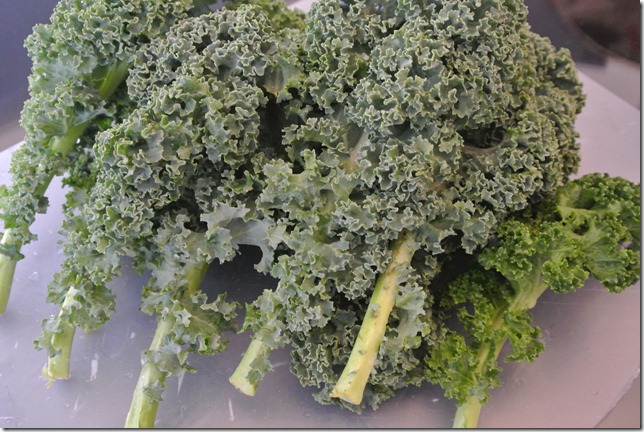
"If there's one veggie that every nutritionist across the country eats and recommends, it's kale. That's because the leafy green is so nutrient-dense. It's loaded with vitamins K, A, and C, fiber, and calcium. And it's packed with so many cancer-preventative antioxidants and anti-inflammatory nutrients. My favorite way to eat more is making kale chips, a total party favorite and kid pleaser. Just rip up the kale, massage a little olive oil into the leaves, and bake at 375°F for 10 to 15 minutes. They're as good as potato chips!" -Carolyn Brown

Water with lemon
"A lot of my dietitian friends start their day by drinking water with lemon, and it's my morning ritual as well. Unless you're eating mostly whole, plant-based foods, the pH balance in your digestive system is probably on the acidic side. Lemon is very alkaline and helps bring the body back to an ideal balance, which is important for overall health. Plus, downing a big glass of water right after you wake up is a great way to get your digestive system moving." -Carolyn Brown

Quinoa
"Most nutritionists reach for this grain over brown rice or wheat pasta because it's a complete source of protein, which means it has all the essential amino acids your body needs. It also contains more fiber than most grains, with five grams in every cup. And it gets better: Quinoa is packed with plant-based omega-3 fatty acids, which makes it a great way to get those anti-inflammatory fats in your diet." -Jennifer McDaniel

http://shine.yahoo.com/healthy-living/12-foods-nutritionists-eat-142000310.html

Monday, June 3, 2013

Organic Chia Seeds

chiaseeds

Organic Chia seeds (Salvia hispanica) are extremely high in Omega 3 and are loaded with antioxidants, vitamins, minerals, and fiber. Chia seeds can be eaten raw as a dietary fiber and omega 3 supplement. The soaked seeds are gelatinous in texture and are used in gruels, porridges and puddings. Ground chia seed is used in baked goods including breads, cakes and biscuits.

The Chia seeds are organic, raw, Non-GMO, non-irradiated, and produced in the wild without pesticides.

30% of Chia seed oil is Omega 3 oil. 10% of its oil is Omega 6 oil. This is the perfect balance of essential fatty acids.

Chia seeds are great for athletes because they are highly hydrophilic, meaning they can absorb large amounts of water. They can hold 10 times their weight in water making them a great enhancer in hydrating our bodies.

Studies show that eating chia seed slows down how fast our bodies convert carbohydrate calories into simple sugars. This leads scientists to believe that the chia seed may have great benefits for diabetics.

The chia seed gels when becoming wet and this gel, when in our digestive systems, helps prevent some of the food, hence calories that we eat from getting absorbed into our system. This blockage of calorie absorption makes the chia seed a great diet helper. Eating the seeds also helps dieters by making them feel fuller faster so they will be less hungry.

You do not need to grind the Chia Seeds to digest it. It is a relatively easy to digest seed, whereas flax seeds are not. Often, one has to grind flax seeds to be able to process them in their digestive system. That is not the case with chia seeds.

Chia seeds can be eaten raw as a dietary fiber and omega 3 supplement. Chia seeds soaked in water or fruit juice are also often consumed and is known in Mexico as chia fresca. The soaked seeds are gelatinous in texture and are used in gruels, porridges and puddings. Ground chia seed is used in baked goods including breads, cakes and biscuits.

image

http://www.nuts.com/cookingbaking/chia-seeds/organic.html?gclid=CO-A0s_hyLcCFUyi4AoduBUAtg

You can add 2 teaspoons of chia seeds to bottle water, shake well, wait for 30 minutes and drink it.

chia 012

Sunday, May 19, 2013

7 Fruits and Vegetables that Reverse the Signs of Aging

By Nicole Frehsée

The human diet contains thousands of antioxidants--nutrients that may help do everything from preventing wrinkles to killing off cancerous cells. But while many foods from chocolate to popcorn promise these health benefits, your best bet for a long, vibrant future begins with produce.

Tomatoes

tomato
Lycopene, an antioxidant that can combat free radicals (molecules or ions that can damage healthy cells and suppress your immune system), gets the credit for tomatoes' ability to help protect against some cancers, including lung cancer. If possible, opt for Classica tomatoes--in a study of 13 tomato varieties, Classicas ranked highest in lycopene.

Kale

kale
This popular leafy green is a major source of vitamin K (one cup cooked contains almost 12 times your recommended daily value), which may help ward off heart disease and osteoporosis. Ask for Winterbor kale at your local farmers' market--in addition to vitamin K, this variety contains high levels of fiber, which can help lower blood pressure and cholesterol levels.

Eggplant

aubergine
The deep-purple skin gets its rich color and anti-aging power from nasunin, a nutrient that helps fight the spread of cancerous cells by cutting off the blood supply they need to multiply. Research also suggests that nasunin may slow the development of Alzheimer's disease by preventing free radicals from damaging neurons.

Red Bell Pepper

vegetable_red_bell_pepper_plants

This immunity-boosting superstar contains roughly 60 percent more vitamin C--which triggers the production of white blood cells that fight off germs and bacteria--than its green counterpart. It may also keep you looking young: A study in The American Journal of Clinical Nutrition found that people with diets high in vitamin C were less prone to wrinkles, possibly because the nutrient spurs the production of collagen.

Blackberries

blackberries-hanging
Rutin, a potentially lifesaving flavonoid (a class of antioxidants) found in high levels in this flavorful fruit, may block an enzyme linked to the formation of blood clots, lowering the risk of heart attack or stroke, according to a 2012 study from Harvard Medical School.

Basil

basil
One of the herb's medicinal properties comes from the antioxidant eugenol. Recent lab studies found that this compound sparks anticarcinogenic activity in cervical cancer cells, causing them to self-destruct.

Brussels Sprouts

DSC_0269
Our cells are naturally equipped with tumor-suppressing genes, and the sulfur compounds found in Brussels sprouts may help those genes by blocking enzymes that promote tumor growth. A 2012 study also found that these sulfur compounds could play a key role in treating rheumatoid arthritis by reducing inflammation and activating cartilage-protecting proteins.

http://shine.yahoo.com/shine-food/7-fruits-vegetables-reverse-signs-aging-182400432.html

Friday, April 26, 2013

Best Foods for Every Vitamin

The foods you eat do more than fill your belly; they give your body the nutrients it needs to survive. What you eat can affect how you feel today, and how you may feel years from now.

Some foods fuel your body’s natural disease-fighting abilities, which can reduce your risk of health problems. Other foods can deplete your energy and impair your digestive system. Click through the slideshow to learn about high-vitamin foods, which can help you get the nutrition you need.

Vitamin A is a fat-soluble nutrient that helps form and maintain healthy teeth, bones, soft tissues, and skin. This vitamin can also help ward off bacterial and viral infections, prevent night blindness, and keep hair and nails healthy.

Foods that are particularly high in vitamin A include:

  • sweet potatoes
  • carrots
  • spinach, kale, and collard greens
  • cantaloupe
  • apricots
  • winter squash

Vitamins B6, B12, and folic acid (B9) all assist proper nerve function, the synthesis of DNA, and the formation of red blood cells. They also help maintain brain function, prevent anemia, and are important for metabolism.

Foods particularly high in vitamins B6 and B12 include:

  • meat, poultry, and fish
  • seafood, including mussels and oysters
  • eggs
  • milk

Foods particularly high in folic acid include:

  • leafy green vegetables
  • poultry
  • certain fruit juices, including orange and grapefruit

Also known as ascorbic acid, vitamin C is a powerful antioxidant that protects the health of cells and improves iron absorption. It’s also important in promoting healthy teeth and gums, healing wounds, and helping the body resist infection.

Foods particularly high in vitamin C include:

  • papaya
  • citrus fruits
  • strawberries
  • bell peppers
  • broccoli
  • Brussels sprouts
  • dark leafy greens like kale, mustard greens, and chard

Vitamin D is a unique vitamin because it can also be created by the body from sunlight. It’s critical for bone health, immune system health, and calcium absorption. According to the National Cancer Institute (NCI), this vitamin is also associated with a possible decreased risk of colorectal cancer. However, whether it helps reduce risks of other cancers remains unclear.

Foods particularly high in vitamin D include:

  • some seafood such as salmon, herring, catfish, oysters, trout
  • milk
  • eggs
  • shiitake mushrooms

Like vitamin C, vitamin E is a powerful antioxidant that protects cells from damage, helps the body use vitamin K, and repairs muscle cells. Studies on vitamin E and cancer have produced mixed results. However, the American Cancer Society says that recent research shows vitamin E found in corn, soybean, and canola oils may have cancer-fighting properties.

Foods particularly high in vitamin E include:

  • sunflower seeds and almonds
  • spinach, Swiss chard, turnip greens
  • bell peppers
  • asparagus

Vitamin K is critical for the formation of blood clots. Without it, you could bleed to death from a simple cut. According to the National Institutes of Health, studies suggest that this fat-soluble vitamin also helps maintain bone strength in older adults.

Foods particularly high in vitamin K include:

  • kale, spinach, collard greens, Swiss chard, turnip greens, mustard greens
  • Brussels sprouts, asparagus
  • parsley
  • romaine lettuce
  • broccoli

Even if you want to eat a healthy diet, it can be a struggle to get in all the nutrients you need on a daily basis. It’s tempting to turn to supplements, but according to the American Heart Association, scientific studies aren’t clear if that is the best option. Instead, it may be better to stock up on high-vitamin foods that we know pack a nutritious punch.

Eating a healthy diet overall ensures adequate nutrition. Most nutrients are available in vegetables, leafy greens, fruits, nuts, and seafood. If you incorporate a variety of these options into your diet on a daily basis, you’re likely to get all of the nutrients you need for optimum health and wellness.

http://health.yahoo.net/articles/nutrition/photos/foods-pack-nutritious-punch-vitamins-k#0

http://health.yahoo.net/articles/nutrition/photos/best-foods-every-vitamin-and-mineral#0

Tuesday, December 4, 2012

10 Great Vegetarian Protein Sources

The average sedentary adult should have 40 grams of protein per 100 pounds of body weight. This statistic also includes those that are vegetarian, and there are many foods that do not contain meat that are great protein sources for vegetarians. This list of 10 foods are rich in protein and contain anywhere between 4.6 - 16 grams of protein per serving.

1. Low-Carb Flat Breads

Low-carb flat breads, including mission tortillas, contain about 30 grams of protein each, making them a great source of protein for vegetarians to choose as part of their diet.

http://whatscookingamerica.net/CynthiaPineda/Tortilla/TortillaMaking.htm

2. Chick Peas

Chick peas are a food that is full of protein. These beans have 16 grams of protein per 200 gram serving. This is by far one of the best sources of protein for vegetarians.

http://www.whfoods.com/genpage.php?tname=foodspice&dbid=58

3. Kidney Beans

Coming in third, kidney beans provide 15 grams of protein per 200 gram serving. Kidney beans are rich in protein, and they are a hearty food as well.

image

http://www.whfoods.com/genpage.php?tname=foodspice&dbid=87

4. Baked Beans

Like the other beans, baked beans are high in protein as well. With 12 grams of protein per 200 gram servings, baked beans are a great vegetarian protein source.

Basic Vegetarian Baked Beans Recipe

http://vegetarian.about.com/od/maindishentreerecipes/r/vegbakedbeans.htm

5. Tofu

Tofu is an alternative to meat. It can be used for cooking various kinds of dishes. A 140 gram serving of tofu contains 11 grams of protein. As well as having a high protein content, tofu is also rich in iron and magnesium.

http://vegetarianandhealth.blogspot.com/2008/06/making-tofu-with-soybeans-lime-juice.html

6. Almonds

Almonds are a nut with a number of health benefits, including having a high amount of protein. A 1/4 cup serving of almonds contains 8 grams of protein. Almonds have a lower saturated fat content and are a great way for vegetarians to get protein.

image

http://www.whfoods.com/genpage.php?tname=foodspice&dbid=20

7. Peanut Butter

Peanut butter is a high source of protein as well. 30 grams of peanut butter contain 7.5 grams of protein. Although peanut butter is a food that is higher in fat, when added to a vegetarian diet in moderation, it will help to meet the daily recommendation of protein.

PeanutButter.jpg

http://en.wikipedia.org/wiki/Peanut_butter

8. Soy Milk

Soy milk is another vegetarian food choice that is high in protein. At about 7 grams of protein per 8 ounces of soy-milk, adding this drink to any diet will help reach the daily amount of protein needed by an individual.

http://vegetarianandhealth.blogspot.com/2008/07/making-soy-milk.html

9. Dried Apricots

Although at the bottom of the list, dried apricots are also an option that is high in protein. An 8 ounce serving of this dried fruit provides 5 grams of protein. Dried apricots are low in fat and cholesterol and are a great protein option for vegetarians.

File:Apricot and cross section.jpg

10. Avocado

Last but not least is a fruit that is high in protein. Avacado is a protein rich food that provides about 5 grams of protein per 8 ounces mashed. This fruit is great added to any vegetarian diet.

There are a number of foods that provide a  protein source for vegetarians. These choices include fruits, vegetables and nuts. When combined with other nutrient rich foods, these vegetarian options help to provide the daily recommended amount of protein.

http://vegetarianandhealth.blogspot.com/2008/05/avocado.html

Source:

http://www.fitday.com/fitness-articles/nutrition/proteins/10-great-vegetarian-protein-sources.html

Wednesday, November 7, 2012

9 Super-Healthy, Vegetarian Protein Sources

PHOTO: A variety of beans including lentils and peas are vegetarian protein sources.

By LEAH ZERBE and EMILY MAIN
Rodale.com

June 3, 2012

According to the United Nations, the meat industry produces more greenhouse gases than the world's plane, train, and automobile fleets combined. So if you're looking for a way to please The Lorax and stay well fed, start getting more of your protein from plants and reduce the amount of meat in your diet, especially the factory-farmed meat that's widely available in supermarkets.

It's not just good for the planet, it's healthier for you, too. Harvard scientists recently completed a study finding that eating a single serving of red meat each day increases your risk of early death, and factory-farmed chicken, often touted as a healthier alternative to beef, can be contaminated with e. coli bacteria that can give you urinary tract infections.

The idea that protein only comes from meat is a myth. Nearly all foods contain small amounts of protein, and it's very easy to get your daily protein requirements from beans, grains, nuts, and certain green vegetables, which have less cholesterol and fat than meat and are usually cheaper, to boot. The Centers for Disease Control and Prevention recommends that women get 46 grams (g) of protein each day and that men get 56 g.

Beans and Lentils

Protein Content: beans, 12 to 14 g per cup cooked; lentils, 18 g per cup cooked

Beans and lentils are the cheapest source of protein out there. So whether you prefer kidney, garbanzo, white, black, or pinto beans, "Buy lots of cans of beans, rinse and drain them to remove 40 percent of the sodium, and use them in everything," suggests Dawn Jackson Blatner, author of The Flexitarian Diet: The Mostly Vegetarian Way to Lose Weight, Be Healthier, Prevent Disease, and Add Years to Your Life. "White beans taste delicious in pasta: garbanzo or edamame in stir-fries; black beans and pinto in burritos, tacos, and quesadillas; and lentils or kidney are great in salads and whole grain pita lunches."

To avoid bisphenol A, or BPA, a hormone-disrupting chemical, found in metal canned foods, buy Eden Organics brand (the company uses cans without BPA in their liners), look for frozen beans, or buy dried ones and cook them accordingly.

Throw a Party to Inspire Healthy Eating

Nuts and Seeds

Protein Content: Nuts, 3 to 7 g per 1/3-cup serving, depending on the type (peanuts and pine nuts have the most); Seeds, 2 to 5 g per 1/3-cup serving, depending on type

Almonds, walnuts, pecans, pistachios, cashews, and pine nuts are all good vegetarian protein sources. "Try a sprinkle of chopped nuts on everything from oatmeal to yogurt to salad, and nut-based dressings are healthy and delicious," says Blatner. On the seed side, Blatner recommends pumpkin, sesame, and sunflower. "I particularly like seed butter, such as sunflower seed butter, on toast with an apple for breakfast," she says.

Chia Seeds  

Protein Content: 4 g per ounce

Though the protein content isn't as high as some other vegetarian foods out there, chia seeds pack a huge nutritional punch. For starters, they're an incredible fiber resource with nearly half (11 g) of the amount you need every day in a single ounce. That helps fill you up and eat fewer calories. They also contain 18 percent of your daily calcium requirement, more than triple that of milk, which helps your bones. Chia seeds have no flavor, so you can add a tablespoon to any food you wish to without altering its flavor, and unlike flax, chia seeds don't need to be ground in order for your body to absorb all the nutrients.

How Common is Genetically Altered Food?

Tofu and Tempeh

Protein Content: Tempeh, 18 g per serving; tofu, 8 g per serving

"I call tofu the veggie white meat, anything chicken can do, tofu can do, too," says Blatner. "Tempeh [a fermented form of tofu] has a fabulous texture and is a great burger stand-in or perfect crumbled in chili or seasoned or broiled into a high-protein crouton on a salad." Look for organic products to avoid genetically modified soy and hexane, a cancer-causing contaminant that has been detected in heavily processed, nonorganic soy products.

If you're not a fan of tofu or tempeh, you can still reap the protein benefits of soy in soy milk (8 g per glass) and edamame (green soybeans, which have 17 g per cup). But do go easy on soy products, as too much can raise estrogen levels and wreak hormonal havoc in both women and men. Aim for one serving of tofu, soy milk or edamame per day.

Hemp

Protein Content: Seeds, 6 g per ounce; Milk, 2 g per cup

If you're allergic to soy, or just freaked out by its estrogenic activity, hemp products are your next best bet. Sold as a dairy alternative or as seeds, hemp is one of very few plant proteins that supply you with all the essential amino acids, acids your body can't produce on its own to build muscle and create more protein. The fatty acids in hemp seeds and hemp milk also boost your immune system, and the crop itself is highly sustainable, growing as fast as 10 feet in 100 days and naturally requiring very few pesticides.

Eggs

Protein Content: 6 g per egg

There's a reason the incredible, edible egg is such a popular breakfast choice. The protein in eggs has the highest biological value, a measure of how well it supports your body's protein needs, of any food, including beef. And the yolks contain vitamin B12, deficiencies of which are common in vegetarian diets and can cause attention, mood, and thinking problems while raising blood homocysteine levels, a risk factor for heart disease, dementia, and Alzheimer's.

To get the healthiest eggs, find a local producer whose chicken flocks are small and feed off of grass, bugs, and organic grain; studies have shown that E. coli and salmonella contamination in eggs is directly related to the size of the flock.

Greek Yogurt

Protein Content: 15 to 20 g per 6-ounce serving

All dairy products are good sources of protein. A glass of milk provides you with 8 g, but Greek yogurt is a protein powerhouse, with twice the protein and half the sugar and carbs of regular yogurt. In fact, Greek yogurt contains the same protein as a three-ounce serving of lean meat. Top that with a handful of nuts and you could get half of your daily protein intake at breakfast. Mixing different vegetarian protein sources into your daily routine also insures that you're getting the right mixture of amino acids, which aid in building muscle and regulating your metabolism.

Avocados

Protein Content: 4 g per avocado

All vegetables contain between 1 and 2 g of protein per cup, but avocados (which are technically fruits) surpass them all. Though 4 g may not sound like much, avocado protein contains all nine essential amino acids, the amino acids your body can't produce on its own to build muscle and create more protein, in addition to heart- and brain-healthy omega-3 fatty acids.

There may even be a reason these fruits are in season during flu season. "Protein not only builds muscle and maintains organ structures, but is also needed to mount prompt, strong immune responses," explains Carol S. Johnston, professor and director of the nutrition program at Arizona State University's College of Nursing and Health Innovation. "You want to have adequate protein intake daily to have amino acids ready for immune protein synthesis at the time of infection."

How to Eat Like, and Live as Long as, a Mediterranean

Pseudograins

Protein Content: 5 to 7 g of protein per cup, cooked

There are grains, and then there are pseudograins. Grains, wheat, barley, rye, brown rice and corn, all contain decent amounts of protein, and globally, wheat provides more plant-based protein than any other food. But intolerance to the gluten in wheat, barley, and rye is on the rise, owing to the increased use of these grains in processed foods. So if you want to go gluten free, look to corn, rice, and pseudograins, foods that are cooked and served like grains but are technically seeds, including quinoa, amaranth, buckwheat, millet, and wild rice. If you stick with corn, replace the standard yellow or white corn products with blue corn, which has 30 percent more protein.

Humanely Raised Beef

Protein Content: between 20 and 25 g per 3-ounce serving, depending on cut

OK, so beef isn't vegetarian, but you don't have to give up meat entirely to get heart-, brain-, and planet-friendly protein. The UN report finding that factory-farming was so bad for the planet also noted that improving animal diets and getting them off of grain was one huge step meat producers could take to counteract global warming. In other words, feeding animals their natural diet of grass and forage is better for our climate than pumping cattle full of corn and soy, which increase "enteric fermentation," or, basically, flatulent cattle that produce methane, a potent greenhouse gas. That diet also produces healthier beef. Grass-fed meats routinely show higher levels of omega-3 fatty acids and other vitamins, as well as lower levels of E. coli, than factory-farmed beef. Shop for grass-fed beef at your local farmer's market, or order it online through U.S. Wellness Meats.

http://abcnews.go.com/Health/w_DietAndFitnessResource/super-healthy-vegetarian-protein-sources/story?id=16477525&page=3#.UJpOn4Y4s8k

Thursday, January 5, 2012

Foods you should be eating to jump-start the new year

By Sarah Bernard

Sugary cakes. Glazed hams. Egg nog. That’s all behind you now. Wipe the slate clean and start the new year on a healthy note by focusing on vitamin-rich foods that you can incorporate into every meal going forward. “Today” show health expert Joy Bauer came by to talk about the superfoods we should all be eating. Thankfully, her picks are delicious and easy to find. From spicy veggies to protein powerhouses to sweet treats...

The best way to reset your eating habits after the holidays is to stock your fridge with fresh, nutrient-rich foods that give you energy and improve your mood.

LENTILS
These beans are filled with high-quality vegetarian protein and fiber, which boost energy and mood. They’re inexpensive and they cook up in 30 minutes or less. Joy suggests making large pots of lentil soup or lentil chili so you can freeze the leftovers.

BRUSSELS SPROUTS
Toss some Brussels sprouts on a baking sheet, add olive oil and salt, and then bake until they're crispy. We have no doubt they will become your favorite veggie. Added bonus: They're only 55 calories per cup and they help fight cancer and boost memory.

FROZEN BERRIES
Keeping bags of frozen raspberries, blueberries, blackberries and strawberries on hand is a perfect way to make sure you still get antioxidants, especially during the winter months when fresh fruit is hard to come by. Eat them right out of the bag, add them to cereal, or make delicious smoothies.

HOT PEPPERS
Hot peppers can suppress your appetite and rev up your metabolism.

http://shine.yahoo.com/the-thread/5-foods-you-should-be-eating-to-jumpstart-the-new-yea.html

Wednesday, April 28, 2010

Cucumber information


1. Cucumbers contain most of the vitamins you need every day, just one cucumber contains Vitamin B1, Vitamin B2, Vitamin B3, Vitamin B5, Vitamin B6, Folic Acid, Vitamin C, Calcium, Iron, Magnesium, Phosphorus, Potassium and Zinc.

2. Feeling tired in the afternoon, put down the caffeinated soda and pick up a cucumber. Cucumbers are a good source of B Vitamins and Carbohydrates that can provide that quick pick-me-up that can last for hours.

3. Tired of your bathroom mirror fogging up after a shower? Try rubbing a cucumber slice along the mirror, it will eliminate the fog and provide a soothing, spa-like fragrance.

4. Are grubs and slugs ruining your planting beds? Place a few slices in a small pie tin and your garden will be free of pests all season long. The chemicals in the cucumber react with the aluminum to give off a scent undetectable to humans but drive garden pests crazy and make them flee the area.


5 Looking for a fast and easy way to remove cellulite before going out or to the pool? Try rubbing a slice or two of cucumbers along your problem area for a few minutes, the phytochemicals in the cucumber cause the collagen in your skin to tighten, firming up the outer layer and reducing the visibility of cellulite. Works great on wrinkles too!

6. Want to avoid a hangover or terrible headache? Eat a few cucumber slices before going to bed and wake up refreshed and headache free. Cucumbers contain enough sugar, B vitamins and electrolytes to replenish essential nutrients the body lost, keeping everything in equilibrium, avoiding both a hangover and headache!

7. Looking to fight off that afternoon or evening snacking binge? Cucumbers have been used for centuries and often used by European trappers, traders and explores for quick meals to thwart off starvation.

8. Have an important meeting or job interview and you realize that you don't have enough time to polish your shoes? Rub a freshly cut cucumber over the shoe, its chemicals will provide a quick and durable shine that not only looks great but also repels water.


9. Out of WD 40 and need to fix a squeaky hinge? Take a cucumber slice and rub it along the problematic hinge, and voila, the squeak is gone!

10. Stressed out and don't have time for massage, facial or visit to the spa? Cut up an entire cucumber and place it in a boiling pot of water, the chemicals and nutrients from the cucumber with react with the boiling water and be released in the steam, creating a soothing, relaxing aroma that has been shown the reduce stress in new mothers and college students during final exams.

11. Just finish a business lunch and realize you don't have gum or mints? Take a slice of cucumber and press it to the roof of your mouth with your tongue for 30 seconds to eliminate bad breath, the phytochemcials will kill the bacteria in your mouth responsible for causing bad breath.

12. Looking for a 'green' way to clean your faucets, sinks or stainless steel? Take a slice of cucumber and rub it on the surface you want to clean, not only will it remove years of tarnish and bring back the shine, but is won't leave streaks and won't harm you fingers or fingernails while you clean.


13. Using a pen and made a mistake? Take the outside of the cucumber and slowly use it to erase the pen writing, also works great on crayons and markers that the kids have used to decorate the walls!!

Pass this along to everybody you know who is looking for better and safer ways to solve life's everyday problems.

Tuesday, May 19, 2009

Fruit and vegetables are good for your entire body

ApplesProtects your heart
prevents constipation
Blocks diarrhea
Improves lung capacity
Cushions joints
ApricotsCombats cancer
Controls blood pressure
Saves your eyesight
Shields against Alzheimer's
Slows aging process
ArtichokesAids digestion
Lowers cholesterol
Protects your heart
Stabilizes blood sugar
Guards against liver disease
AvocadosBattles diabetes
Lowers cholesterol
Helps stops strokes
Controls blood pressure
Smoothes skin
BananasProtects your heart
Quiets a cough
Strengthens bones
Controls blood pressure
Blocks diarrhea
Beans
Prevents constipation
Helps hemorrhoids
Lowers cholesterol
Combats cancer
Stabilizes blood sugar
BeetsControls blood pressure
Combats cancer
Strengthens bones
Protects your heart
Aids weight loss
Blueberries
Combats cancer
Protects your heart
Stabilizes blood sugar
Boosts memory
Prevents constipation
BroccoliStrengthens bones
Saves eyesight
Combats cancer
Protects your heart
Controls blood pressure
CabbageCombats cancer
Prevents constipation
Promotes weight loss
Protects your heart
Helps hemorrhoids
Cantaloupe
Saves eyesight
Controls blood pressure
Lowers cholesterol
Combats cancer
Supports immune system
Carrots
Saves eyesight
Protects your heart
Prevents constipation
Combats cancer
Promotes weight loss
Cauliflower
Protects against Prostate Cancer
Combats Breast Cancer
Strengthens bones
Banishes bruises
Guards against heart disease
Cherries
Protects your heart
Combats Cancer
Ends insomnia
Slows aging process
Shields against Alzheimer's
Chestnuts
Promotes weight loss
Protects your heart
Lowers cholesterol
Combats Cancer
Controls blood pressure
Chili peppersAids digestion
Soothes sore throat
Clears sinuses
Combats Cancer
Boosts immune system
Figs
Promotes weight loss
Helps stops strokes
Lowers cholesterol
Combats Cancer
Controls blood pressure
Flax
Aids digestion
Battles diabetes
Protects your heart
Improves mental health
Boosts immune system
GrapefruitProtects against heart attacks
Promotes Weight loss
Helps stops strokes
Combats Prostate Cancer
Lowers cholesterol
Grapessaves eyesight
Conquers kidney stones
Combats cancer
Enhances blood flow
Protects your heart
Green tea
Combats cancer
Protects your heart
Helps stops strokes
Promotes Weight loss
Kills bacteria
Honey
Heals wounds
Aids digestion
Guards against ulcers
Increases energy
Fights allergies
Lemons
Combats cancer
Protects your heart
Controls blood pressure
Smoothes skin
Stops scurvy
LimesCombats cancer
Protects your heart
Controls blood pressure
Smoothes skin
Stops scurvy
MangoesCombats cancer
Boosts memory
Regulates thyroid
aids digestion
Shields against Alzheimer's
Mushrooms
Controls blood pressure
Lowers cholesterol
Kills bacteria
Combats cancer
Strengthens bones
Oats
Lowers cholesterol
Combats cancer
Battles diabetes
prevents constipation
Smoothes skin
Olive oil
Protects your heart
Promotes Weight loss
Combats cancer
Battles diabetes
Smoothes skin
OnionsReduce risk of heart attack
Combats cancer
Kills bacteria
Lowers cholesterol
Fights fungus
OrangesSupports immune systems
Combats cancer
Protects your heart
Straightens respiration
Peaches
prevents constipation
Combats cancer
Helps stops strokes
aids digestion
Helps hemorrhoids
Peanuts
Protects against heart disease
Promotes Weight loss
Combats Prostate Cancer
Lowers cholesterol
Aggravates
Diverticulitis
PineappleStrengthens bones
Relieves colds
Aids digestion
Dissolves warts
Blocks diarrhea
PrunesSlows aging process
prevents constipation
boosts memory
Lowers cholesterol
Protects against heart disease
Rice
Protects your heart
Battles diabetes
Conquers kidney stones
Combats cancer
Helps stops strokes
Strawberries
Combats cancer
Protects your heart
boosts memory
Calms stress
Sweet potatoes
Saves your eyesight
Lifts mood
Combats cancer
Strengthens bones
Tomatoes
Protects prostate
Combats cancer
Lowers cholesterol
Protects your heart
WalnutsLowers cholesterol
Combats cancer
boosts memory
Lifts mood
Protects against heart disease
WaterPromotes Weight loss
Combats cancer
Conquers kidney stones
Smoothes skin
Watermelon
Protects prostate
Promotes Weight loss
Lowers cholesterol
Helps stops strokes
Controls blood pressure
Wheat germ
Combats Colon Cancer
prevents constipation
Lowers cholesterol
Helps stops strokes
improves digestion
Wheat bran
Combats Colon Cancer
prevents constipation
Lowers cholesterol
Helps stops strokes
improves digestion
Yogurt
Guards against ulcers
Strengthens bones
Lowers cholesterol
Supports immune systems
Aids digestion


7 don'ts after a meal

* Don't smoke-Experiment from experts proves that smoking a cigarette after meal is comparable to smoking 10 cigarettes (chances of cancer is higher).
* Don't eat fruits immediately - Immediately eating fruits after meals will cause stomach to be bloated with air. Therefore take fruit 1-2 hr after meal or 1 hr before meal.
* Don't drink tea - Because tea leaves contain a high content of acid. This substance will cause the Protein content in the food we consume to be hardened thus difficult to digest.
* Don't loosen your belt - Loosening the belt after a meal will easily cause the intestine to be twisted &blocked.
* Don't bathe - Bathing will cause the increase of blood flow to the hands, legs & body thus the amount of blood around the stomach will therefore decrease. This will weaken the digestive system in our stomach.
* Don't walk about - People always say that after a meal walk a hundred steps and you will live till 99. In actual fact this is not true. Walking will cause the digestive system to be unable to absorb the nutrition from the food we intake.
* Don't sleep immediately - The food we intake will not be able to digest properly. Thus will lead to gastric & infection in our intestine.

Wednesday, January 28, 2009

Brown rice with roasted sesame, a power food

I often eat a bowl for breakfast. It gives me a lot of energy, and I don't crave anything sweet for the whole day!

Makes 4 servings


Rice:
2 cups brown rice

4 cups water


Salted sesame:
4 handfuls raw sesame seeds
1/2 teaspoon sea salt

1. I use a rice cooker to cook the rice. It takes about 1/2 hour to cook, but let it sit for 1/2 hour more.
2. Rinse the sesame seeds using a strainer, drain well. Set the toaster oven to dark brown, spread sesame seeds on the pan, toast until brown and fragrant. Transfer to a bowl, cover with a lid to cool.
3. Grind the seeds using a coffee grinder.
4. Mix well with salt.
5. For every bowl of rice top with 1 to 2 teaspoons of salted sesame seeds. Chew really well for rice allowing rice to turn into liquid before swallowing. The combination of brown rice and sesame seeds is believed to cure a lot of diseases.


Wednesday, May 14, 2008

Spinach


From Super Foods Health Style by STEVEN G. PRATT, M.D., and KATHY MATTHEWS

Spinach is an all-star SuperFood

A source of:
  • Synergy of multiple nutrients/phytonutrients
  • Low calories
  • Lutein/zeaxathin
  • Beta-carotene
  • Plant-derived omega-3 fatty acids
  • Glutahione
  • Alpha-lipoic acid
  • Vitamins C and E
  • B vitamins (thiamin, ribflavin, B6, folate)
  • Minerals: calcium, iron, magnesium, manganese, and zinc
  • Polyphenols
  • Betaine
  • Coenzyme Q10
SIDEKICKS: kale, collards, Swiss chard, arugula, mustard greens, turnip greens, bok choy, romaine lettuce, orange bell peppers, seaweed

TRY TO EAT: 1 cup steamed or 2 cups raw most days

Research has demonstrated and inverse relationship between spinach consumption and the following:
  • Cardiovascular disease: stroke, coronary artery
  • Cancer
  • Age-related macular degeneration (AMD): age-related vision loss
  • Cataracts
Spinach may help prevent or delay age-related cognitive decline

Wednesday, May 7, 2008

Avocado

According to the SuperFoods Health Style book by STEVEN G. PRATT, M.D., and KATHY MATTHEWS, avocado is a SuperFood.

A source of:
  • Monounsaturated fatty acids: lower cholesterol
  • Fiber
  • Magnesium: healthy bones, cardiovascular system, prevention of migraines and type II diabetes
  • Folate: reduce risk of cardiovascular disease
  • Vitamin E
  • Carotenoids
  • Glutathione
  • Beta-sitosterol
  • Chlorophyll
  • Pholyphenols: lower cholesterol, reduce risk of cancer, improve the body's ability to obsorb nutrients
  • Lutein

SIDEKICKS: asparagus, artichokes, extra virgin olive oil

TRY TO EAT: 1/3 to 1/2 of an avocado multiple times weekly

Haas Avocado has more healthy monounsaturated fat than Florida Avocado

Ready to eat when it is soft to the touch or it can be ripen on the counter top in a few days


Tuesday, May 6, 2008

Oranges


From Super Foods Health Style by STEVEN G. PRATT, M.D., and KATHY MATTHEWS

Oranges are SuperFoods: support heart health, prevent cancer, stroke, diabetes, a host of chronic ailments

A source of:

  • Vitamin C
  • Fiber
  • Folate
  • Limonene
  • Potassium
  • Polyphenols
  • Pectin

SIDEKICKS: lemons, white and pink grapefruit, kumquats, tangerines, limes

TRY TO EAT: 1 serving daily