Showing posts with label health. Show all posts

Tuesday, January 28, 2014

Coconut: Healthy food or over-hyped fad?

coconut

All things coconut have become quite the buzz over the past year and they continue to trend. From skin care to cleaning products, nutrition claims and recipes; it seems we can use coconut for just about everything!

I tend to be quite the skeptic when any product — food or not — seems to claim too much. So, what is the hype all about? Should you buy a gallon of coconut oil and use it for everything? Should you ditch water for coconut water? Milk for coconut milk? What about coconut sugar, shreds and manna? The list goes on.

Think of this as your coconut cheat sheet — I’ll lay out all of the facts and you can decide for yourself whether coconut is worth the hype. Let’s start with the basics.

Is coconut good for you?  With all the hype surrounding this fruit, (actually considered a drupe or a fleshy fruit, having a single hard stone that encloses a seed) scientists are busy researching its benefits and risks. Preliminary studies have shown some health benefits such as increases in HDL (good) cholesterol, and anti-microbial and anti-bacterial properties.

Doesn’t coconut have saturated fat?  Yes, coconut contains saturated fat but it is plant based and your body uses the fat in coconut oil differently than it uses the saturated fats found in animal products. So unlike animal-based fats, coconut oil is cholesterol-free. Additionally, the primary saturated fatty acid found in coconut oil — lauric acid — is a medium-chained fatty acid, compared to the long-chain fatty acids found in animal products. Medium-chained fatty acids are easier to digest, absorb and use for energy. Other studies have found consumption of coconut oil may improve HDL cholesterol levels, the “good” cholesterol.

What types of coconut products are available?  There are a variety of coconut products available including coconut oil, coconut manna (pureed coconut meat), coconut sugar, coconut water, coconut milk and even coconut yogurt and ice creams.

Do the health benefits of coconut oil apply to all of the manufactured forms of coconut available?  No. Most of the preliminary research has been surrounding coconut oil and coconut water.  Minimally processed, unsweetened coconut products like shreds and manna will contain coconut oil in lesser quantities than the oil itself but are still considered to have some health benefits.  Often, when an ingredient is highly processed we lose some of the health benefits, especially when a good amount of sugar is added to the final product.  This is important to remember before diving into a bowl of sugar laden coconut ice cream or yogurt.

Is coconut milk a suitable milk alternative? Coconut milk is the liquid that comes from the coconut meat and can be a dairy substitute as it has a similar texture, flavor and does not contain lactose or dairy proteins, which makes it suitable for people with dairy allergies and intolerances.  Most coconut milk alternatives are fortified with calcium, as coconut does not contain as much calcium as diary on its own. Coconut (especially the meat) is also rich in several nutrients like copper, calcium, iron, manganese, magnesium, zinc and the B-complex vitamins such as folates, riboflavin, niacin, thiamin, and pyridoxine.

NTV02080-2

What is the difference between canned and boxed coconut milk?  Both contain “coconut milk” but the boxed versions contain more water and are consequently lower in fat and calories.  Canned coconut milk is often a clear liquid — while the thicker, white liquid is often referred to as coconut cream.

What is coconut water?  Coconut water is the liquid found in young coconuts.  It is rich in disease fighting antioxidants and a good source of potassium.  Due to the high potassium content, coconut water can be used for rehydration and electrolyte repletion but should not replace water.

nuocduatuoi

Why do people cook with coconut oil?  Coconut oil has a high smoke point, which is the temperature at which it begins to produce smoke. The smoke indicates that the oil is beginning to degrade and produce free radicals, which can be damaging to the body. For high heat cooking, you should use cooking oil with a higher smoke point.

Can I use coconut oil instead of butter in baking?  Like butter, coconut oil is solid at room temperature and thus can easily replace butter in baked goods. It is recommended to us a 3:4 ration of coconut oil to butter when using it as a baking substitute.

Is coconut sugar a healthier alternative to cane sugar?  Coconut sugar is less refined and contains more nutrients than cane sugar. It is also thought to have a lower glycemic index which means better blood sugar control comparatively. Calorie for calorie, coconut sugar and cane sugar are very similar, clocking in at around 15 calories per teaspoon. However, all added sugars are discretionary calories and should be consumed in moderation.

So, should I buy into the coconut craze?  A healthy diet is a diet rich in a variety of whole foods including fats, proteins and carbohydrates. Coconut, as a fruit and oil has health benefits and can be included in a balanced diet. Coconut oil is a good, high heat cooking oil. It is also a good skin moisturizer when used topically. Because all fats, including coconut oil, are high in calories, you should include them in your diet only in moderation.

Coconut_green


Katie Cavuto MS, RD is a registered dietitian and trained chef. She is the president of Healthy Bites, a company offering local and national culinary nutrition services. Katie is also the consulting dietitian for the Philadelphia Phillies, and a regular contributor on local and national TV and radio as an expert in her field. To learn more about Katie, check her website at healthybitesdelivery.com.

Katie Cavuto MS, RD For Philly.com/Health

Read more at http://www.philly.com/philly/health/Coconut_oil_water_milk_Healthy_or_hype.html#J5ClzxQWVTmfVKia.99

Saturday, June 29, 2013

5 Nutritious Leafy Greens You've Never Heard Of

It goes without saying that a varied diet-one that includes all food groups-is key for proper nutrition and lifelong health. Yet across the world, in both affluent and poorer nations, diets are nowhere near as diverse as they could or should be. For different reasons, scores of people across the globe are missing out on many vital nutrients that they should be consuming.

In the developing world, 160 million children are currently undernourished, notes Jessica Fanzo, an associate professor of nutrition at Columbia University in New York City and co-editor of a recently released book, "Diversifying Food and Diets: Using Agricultural Biodiversity to Improve Nutrition and Health Security."

This is partly due to economics, of course, but while food security is a more pressing issue in the developing world, many people there are also not availing themselves of the foods they have ready access to.

"You walk around a small farm in Tanzania, for example, and you'll see many different leafy greens, but then the staple crops like corn are the ones that people end up not only consuming on a regular basis, but also harvesting and selling," Fanzo says. "As such, they forget about what's growing around them and they're missing out on the many benefits that their local biodiversity has to offer."

Fanzo also believes that diet diversity in the developed world could use a serious boost as well-and not only because the American crop system has lost much of its diversity through the years ("A century ago, we had 300 varieties of sweet corn and now we have just 12," notes Fanzo), but also because in the U.S., "peoples' knowledge of what they're eating and where it comes from is probably lower than it is in the developing world, where the farm to fork pathway is much shorter."

Her best advice for a rich and diverse diet: Explore farmers' markets and ethnic grocery stores to sample the plethora of fruits and vegetables, meats, cheeses and eggs they offer in order to "color your diet, because the more color you have on your plate, the better for you-and that's the golden rule," she says.

Purple, yellow, red and orange vegetables all have wonderful and essential properties for health and wellbeing, notes Fanzo, and the same goes for fruits. Each color group offers endless possibilities, she says, especially the greens-where many Americans could afford to diversify much more.

"Most people think they're doing the right thing by eating kale, for instance, because they have read so much about its properties, but that sets a precedent for not being diverse or seeking out other leafy greens, when there are so many other varieties out there that also have amazing and essential properties," explains Fanzo.

Here, we feature some greens you may not have heard of but that are equally, if not more, beneficial to your health and wellbeing.

- by Savita Iyer-Ahrestani

MalabarSpinach

Malabar Spinach
"This wonderful leafy green is rich in mucilage," says Ruby Hsiao, assistant specialist in indigenous vegetables at AVRDC (Asian Vegetable Research and Development Center)-The World Vegetable Center in Taiwan. "Mucilage soothes mucous membranes in the throat and helps prevent stomach irritation."

Malabar spinach also delivers beta-carotene, or pro-vitamin A, which helps form and maintain healthy skin and teeth and promotes good vision.

Amaranth

Amaranth
The leaves of the Amaranth plant, which can be sautéed, steamed, boiled or stir-fried, are a great source of folic acid and iron.

"The human body needs iron to produce healthy red blood cells and prevent anemia," says Ray-yu Yang, a nutritionist at AVRDC. And folic acid is an especially important nutrient for women during pregnancy. That's because folic acid helps a growing fetus' neural tube-the part of the body that becomes a baby's brain and spinal cord-develop properly.

Kangkong

Kangkong
Also known as water spinach, kangkong leaves-which can be cooked or eaten as a salad-contain flavonoids. These antioxidant properties help protect cells from damage caused by free radicals, which are believed to contribute to certain chronic diseases and play a role in aging.

Perilla

Perilla or Shiso
"The beautiful purplish-green leaves have a bright, peppery taste," says Hsiao, and "perilla contributes luteolin to the diet, which has antibacterial and anti-inflammatory activities"-the latter helps decrease the incidence of cancer, heart disease and diabetes.

The versatile leaves can be deep-fried, pickled or used as a wrap for rice, meat and vegetable fillings.

Purslane

Purslane
With its pink, white and yellow flowers, purslane is as beautiful to look at as it is to eat. "The tender shoots and leaves contain Omega-3 fatty acids, which are normally found in sources such as fish," says Yang. Purslane can be eaten fresh, pickled or sun-dried to crunch up at a later date.

http://shine.yahoo.com/healthy-living/5-nutritious-leafy-greens-youve-never-heard-122300986.html

Photo by: Thinkstock

Tuesday, June 25, 2013

Nutritional Benefits of Hemp Milk

220px-Hemp-Non-Dairy-Milk

For most people, milk has been part of a standard daily diet their entire life. You may drink several glasses of milk a day. If you’re looking for a healthier alternative to cow’s milk, consider hemp milk. It offers a variety of health benefits and it’s easy to make.

Health Benefits Hemp Milk

Before we jump into the nutritional value of a glass of hemp milk there are some other health benefits to consider.
Hemp milk doesn’t contain many of the allergens milk from animals contains. Many people are lactose intolerant or allergic to either whey protein or casein. The allergies can cause anything from gastric distress to migraines and anaphylactic shock. All of these ingredients are found in cow’s milk, sheep’s milk and goat milk. Hemp milk is free from these common allergens.
Additionally, hemp milk contains wonderful omega fatty acids. Omega fatty acids are excellent for improving immune function, organ function, better skin, nails, and better brain function as well.

Nutrition

Your standard 8-Ounce glass of hemp milk contains the following nutrients:

• 900mg Omega-3 Fatty Acid
• 2800mg Omega-6 Fatty Acid
• All 10 Essential Amino Acids
• 4 grams of Protein
• 46% of RDA of Calcium
• 0% Cholesterol
• Potassium
• Phosphorous
• Riboflavin
• Vitamin A
• Vitamin E
• Vitamin B12
• Folic Acid
• Vitamin D
• Magnesium
• Iron
• Zinc

As you can see hemp milk is full of nutrients. It tastes much like almond, rice or soy milk. It is a bit watery so it may not work well as a straight replacement in baking however on cereal and as a glass to drink, it is quite delicious.

How to Make Your Own Hemp Milk

Nutritional Benefits Hemp Milk

Making hemp milk is easy to do. However, finding hemp seeds may be a bit trickier. You can order them online and some natural health food stores may carry both hemp milk and hemp seeds.

In a blender combine one cup of shelled hemp seeds with five to six cups of water. Blend for two to three minutes until smooth. For richer milk, use less water. For thinner milk you can add more water. You can sweeten the milk, great for coffee, add honey or agave and vanilla extract. You can drink it as is or you can strain it through a cheese cloth or fine strainer to remove seed particles.

If you have cow’s milk sensitivities or are simply looking for a vegetarian alternative hemp milk is extremely healthy. More supermarkets are beginning to carry it and you can make it yourself at home too. Give it a try, you might be surprised how tasty it is.

http://www.treeliving.com/nutritional-benefits-hemp-milk

Wednesday, June 19, 2013

Sweet Potato Ranks Number One In Nutrition

sweetpotato

According to nutritionists at the Center for Science in the Public Interest (CSPI), the single most important dietary change for most people, including children, would be to replace fatty foods with foods rich in complex carbohydrates, such as sweet potatoes.

CSPI ranked the sweet potato number one in nutrition of all vegetables. With a score of 184, the sweet potato outscored the next highest vegetable by more than 100 points. Points were given for content of dietary fiber, naturally occurring sugars and complex carbohydrates, protein, vitamins A and C, iron and calcium. Points were deducted for fat content (especially saturated fat), sodium, cholesterol, added refined sugars and caffeine. The higher the score, the more nutritious the food.

    Sweet potato baked 184
    Potato, baked 83
    Spinach 76
    Kale 55
    Mixed Vegetables 52
    Broccoli 52
    Winter Squash, Baked 44
    Brussels Sprouts 37
    Cabbage, Raw 34
    Green Peas 33
    Carrot 30
    Okra 30
    Corn on the Cob 27
    Tomato 27
    Green Pepper 26
    Cauliflower 25
    Artichoke 24
    Romaine Lettuce 24
    The Center for Science in the Public Interest, Washington D.C.

The reasons the sweet potato took first place? Dietary fiber, naturally occurring sugars, complex carbohydrates, protein, vitamins A and C, iron and calcium. The sweet potato received a score of 184; the vegetable ranked in second place was more than 100 points behind with a score of 83.

Sweet potatoes are high in the following: beta-carotene, vitamin A, vitamin B6 and vitamin C; fiber, thiamine, niacin, potassium and copper. They are also a good source of protein, calcium, vitamin E.

The numbers for the nutritional sweet potato speak for themselves: almost twice the recommended daily allowance of vitamin A, 42 percent of the recommendation for vitamin C, four times the RDA for beta carotene, and, when eaten with the skin, sweet potatoes have more fiber than oatmeal. All these benefits with only about 130 to 160 calories!

Sweet Potato Nutrition Facts  (for one medium size sweet potato)

    Calories 130
    Fat 0.39 g
    Protein 2.15 g
    Net Carbs 31.56 g
    Dietary Fiber 3.9 g
    Calcium 28.6 mg
    Sodium 16.9 mg
    Potassium 265.2 mg
    Folate 18.2 mcg
    Vitamin C 29.51 mg
    Vitamin A 26081.9 IU
    Source: US Department of Agriculture
    See also: Sweet Potato Antioxidants

Among root vegetables, sweet potatoes offer the lowest glycemic index rating. That’s because the sweet potato digests slowly, causing a gradual rise in blood sugar so you feel satisfied longer. It’s time to move sweet potatoes to the "good" carb list. Many of the most popular diets these days have already.
(See also: Sweet Potato Recipes)

SWEET POTATO NUTRITIONAL ASPECTS AND POPULAR DIETS

South Beach Diet
For the nearly 12 million Americans counting carbohydrates as part of the Atkins or South Beach plans, the glycemic index plays a critical part in determining acceptable foods. The index ranks how quickly the body converts carbohydrates into sugar; the lower the glycemic index in a food, the less it will cause weight gain. Sweet potatoes rank significantly lower than white potatoes in the glycemic index, which explains why both carb-counting diets encourage substituting yams for Idaho potatoes. Sweet potatoes are introduced in the later phases of these diets as an acceptable food because they are nutrient-rich.

Atkins Diet
The Atkins Diet recommends introducing 10 grams of carbs in Phase 3 of the diet plan. Sweet potatoes have 10 grams of carbohydrates for every 1/4 cup. Sweet potatoes are on the safe list as a great substitute for other starches such as rice, potatoes and corn.

Sugarbusters Diet
The popular "Sugarbusters" diet that swept the nation is also a strong advocate of including sweet potatoes in a healthy diet. The Sugarbusters diet recommends sweet potatoes as a great substitute for other foods high in sugar and carbohydrates such as rice, pasta and corn.

One of the Sugarbusters book's authors reports that the part of a carrot that's healthy is the beta carotene necessary for visual activity and needed for the retina that's found in the pigment, not the fleshy part of the carrot that's full of sugar. You can also get the beta carotene from sweet potatoes, which are not full of sugar.

Louisiana Sweet Potato Commission, Louisiana Department of Agriculture and Forestry
- www.sweetpotato.org

http://www.foodreference.com/html/sweet-pot-nutrition.html

Friday, June 14, 2013

12 Foods All Nutritionists Eat

Even the experts can't come to a consensus on the best diet tips to follow. (Eat like a caveman! Fast two days a week! No fruit! Only fruit!) But these are the picks every dietitian stashes in her kitchen for energy, health, and a great-looking bod. By Meghan Rabbitt, REDBOOK.

470_2640570

Avocados
"Every dietitian I know agrees that avocados are a must-eat food. They are a great source of healthy fats, which help fill you up so you'll be less likely to want a snack later on. Plus, they taste really decadent. I love putting avocado slices on my salad; research shows that it helps your body absorb nutrients. And they are the perfect food if you're on the go. When I fly, I stash an avocado in my carry-on. I cut it in half, sprinkle on a little salt and pepper, grab a few crackers, and I've got a perfect plane snack." -Carolyn Brown, a registered dietitian at Foodtrainers in New York City 

Almond milk
"No matter what we think about dairy, most of us agree that it's too easy to overdo. Yogurt, cheese-even that whey protein in an energy bar is dairy. It sneaks into more than you might expect. That's why R.D.'s love unsweetened almond milk. It has a consistency similar to cow's milk but half the calories-and you still get vitamin E. I love using almond milk in smoothies, and I also swap it for milk when I make oatmeal and pudding." -Carolyn Brown

Cinnamon
"This is one of those powerhouse spices every R.D. tries to work into her diet. Research shows that just half a teaspoon a day can help regulate blood sugar-and when our blood sugar drops, we feel hungry, so cinnamon can curb your appetite. I add a teaspoon to my coffee beans before I grind them; it infuses my coffee with flavor and health benefits." -Jennifer McDaniel, a registered dietitian nutritionist in St. Louis and an Academy of Nutrition and Dietetics spokesperson

Dark berries
"A bowl of berries is what most nutritionists have when they're craving something sweet. Berries are jam-packed with fiber, vitamins, and antioxidants-crucial for aging well. We favor super-dark berries, like blueberries and blackberries, because they have the highest doses of those powerful antioxidants." -Keri Glassman, a dietitian in New York City and author of The New You and Improved Diet

Greek yogurt

"Dieticians are a little obsessed with Greek yogurt, but for good reason: It's got two times the protein and less sugar than regular yogurt; it's filled with probiotics, which help keep your immune system strong; and it's lower in lactose than other dairy-great for someone with lactose intolerance." -Kate Geagan, a dietitian in Park City, UT, and author of Go Green, Get Lean

Eggs
"You'll find a carton of eggs in any R.D.'s fridge, including mine. Eggs have gotten a bad rap due to their cholesterol content, but research shows there's limited evidence linking egg consumption and heart disease. Plus, this protein-rich food has 70 calories, 13 vitamins and minerals, and the anti-inflammatory nutrient choline, which most Americans need." -Jennifer McDaniel

Extra-virgin olive oil
"Dietitians love it when good taste, nutrition, and health meet-and extra-virgin olive oil is a triple win. It's teeming with antioxidants and good-for-you mono unsaturated fats, and it's delicious. I always buy it in a dark-colored bottle; light can oxidize the oil, minimizing some of the health benefits." -Kate Geagan 

Hummus

"This is every nutritionist's 'convenience food.' In just a quarter cup, you get fiber, protein, carbohydrates, and healthy fat from the olive oil." -Jennifer McDaniel 

Nuts
"Too many of my clients steer clear of nuts because they're high in fat, but dietitians eat them because we know that monounsaturated fat, in moderation, can help you maintain your weight or even lose. Almonds and walnuts are my favorites. They satisfy a crunchy craving, and the fat-fiber combo fills me up. Nuts are also loaded with protein, antioxidants, and a variety of vitamins and minerals." -Keri Glassman 

Kale
"If there's one veggie that every nutritionist across the country eats and recommends, it's kale. That's because the leafy green is so nutrient-dense. It's loaded with vitamins K, A, and C, fiber, and calcium. And it's packed with so many cancer-preventative antioxidants and anti-inflammatory nutrients. My favorite way to eat more is making kale chips, a total party favorite and kid pleaser. Just rip up the kale, massage a little olive oil into the leaves, and bake at 375°F for 10 to 15 minutes. They're as good as potato chips!" -Carolyn Brown

Water with lemon
"A lot of my dietitian friends start their day by drinking water with lemon, and it's my morning ritual as well. Unless you're eating mostly whole, plant-based foods, the pH balance in your digestive system is probably on the acidic side. Lemon is very alkaline and helps bring the body back to an ideal balance, which is important for overall health. Plus, downing a big glass of water right after you wake up is a great way to get your digestive system moving." -Carolyn Brown

Quinoa
"Most nutritionists reach for this grain over brown rice or wheat pasta because it's a complete source of protein, which means it has all the essential amino acids your body needs. It also contains more fiber than most grains, with five grams in every cup. And it gets better: Quinoa is packed with plant-based omega-3 fatty acids, which makes it a great way to get those anti-inflammatory fats in your diet." -Jennifer McDaniel

http://shine.yahoo.com/healthy-living/12-foods-nutritionists-eat-142000310.html

Monday, June 3, 2013

Want to Live Longer? Eat a Plant-Based Diet

To stave off death by a few extra years, a vegetarian diet appears to be superior to a non-vegetarian one, according to results of a study of more than 73,000 people published today (June 3) in the Journal of the American Medical Association (JAMA).

The study, the largest of its kind, compared the longevity of meat eaters to that of four types of vegetarians: vegans, who eat no animal products; lacto-ovo–vegetarians, who consume dairy products and eggs; pesco-vegetarians, who eat fish but rarely meat; and semi-vegetarians, who eat meat no more than once weekly.

The winners, in terms of cheating death the longest, were the pesco-vegetarians, followed by vegans, and then the lacto-ovo-vegetarians. The vegetarian groups, on average, had a 12 percent lower risk of dying over the study period compared to meat eaters. The study participants were all members of the Seventh-Day Adventist church.

Previous studies have shown that vegetarian diets are associated with decreased risk of numerous chronic diseases, such as Type 2 diabetes, obesity, metabolic syndrome, circulatory disease and hypertension.

And it's been long known that Seventh-Day Adventists — with their healthy lifestyle that shuns tobacco and espouses exercise and a plant-based diet — live longer that the general population. Seventh-Day Adventists in California live, on average, four to seven years longer than other Californians, an earlier study revealed. [Extending Life: 7 Ways to Live Past 100]

Researchers have had difficulty, however, in discerning between associations, and cause-and-effect links. Is it the absence of meat, or the presence of a health-conscious attitude shared by many vegetarians, or both, that leads to healthier outcomes?

A healthy lifestyle

This newest study is unique in that it only looked at Seventh-Day Adventists, a group relatively similar in their lifestyle. The Adventist Church recommends, but does not mandate, a plant-based diet.

The researchers, led by Dr. Michael J. Orlich of Loma Linda University in California (a Seventh-Day Adventist institution), analyzed the diets of 73,308 Seventh-Day Adventists. Among the participants, 2,570 died within about six years of the initial data collection. Those most likely to have died were the meat eaters.

The pesco-vegetarians were 19 percent less likely to die over the study period than the meat eaters, and vegans were 15 percent less likely. Men benefited more than women from the vegetarian diet.

"We can be pretty confident that the vegetarian groups fared better than the non-vegetarians, but we cannot meaningfully compare the vegetarian groups to each other," Orlich told LiveScience. "The numbers are far too close to speculate. We hope to be able to do that in a few years when we have more [statistical] power" with more deaths to analyze.

The strengths of the study were that it demonstrated that vegan and other vegetarian diets are safe and that a range of vegetarian diets — from strict to somewhat lax — appears to be healthier than a diet dominated by processed foods and meats, according to Dr. Robert Baron of the University of California, San Francisco, who wrote an editorial accompanying the new findings in the journal.

The American diet

Referring to a generally unhealthy American diet, Baron wrote that limiting "sugars and sugary drinks, refined grains, and large amounts of saturated and trans fats" and eating more fruits, vegetables, whole grains, legumes, and nuts "trumps the more narrow goals of whether to include moderate amounts of dairy, eggs, fish, or even meat."

"I do not think that we all necessarily need to be vegans or other types of vegetarians" to be healthy, Baron told LiveScience. "But I do think that the world would ultimately be a better place without certain industrially produced foods, including beef.

A second study published today, by researchers at Johns Hopkins University in the American Journal of Epidemiology, found that a combination of regular exercise, a Mediterranean diet, smoking avoidance, and weight maintenance was associated with a lower risk of coronary artery disease. The Mediterranean diet emphasizes fruits, vegetables, nuts, fish, and healthy fats.

"Those who adopted all four healthy behaviors had an 80 percent lower death rate [over 7.6 years], compared to participants with none of the healthy behaviors," lead author Haitham Ahmed of Johns Hopkins Hospital said in a statement.

The JAMA study on Seventh-Day Adventists does conflict with a large analysis published in 2009 based on the European Prospective Investigation into Cancer and Nutrition (EPIC-Oxford) study, which found identical death rates between vegetarians and non-vegetarians.

The researchers at Loma Linda University acknowledged this in their paper, but noted that the Seventh-Day Adventists in their study ate differently than the Europeans in the 2009 study. For example, the Adventist vegans consumed nearly twice as much dietary fiber and vitamin C as the European vegans.

Orlich added that "even our non-vegetarians are relatively low meat consumers, and relatively health conscious. If we were comparing our vegetarian groups to the average American diet, we might find more striking results."

Christopher Wanjek is the author of a new novel, "Hey, Einstein!", a comical nature-versus-nurture tale about raising clones of Albert Einstein in less-than-ideal settings. His column, Bad Medicine, appears regularly on LiveScience.

Copyright 2013 LiveScience, a TechMediaNetwork company. All rights reserved. This material may not be published, broadcast, rewritten or redistributed.

http://news.yahoo.com/want-live-longer-eat-plant-based-diet-202351774.html

Organic Chia Seeds

chiaseeds

Organic Chia seeds (Salvia hispanica) are extremely high in Omega 3 and are loaded with antioxidants, vitamins, minerals, and fiber. Chia seeds can be eaten raw as a dietary fiber and omega 3 supplement. The soaked seeds are gelatinous in texture and are used in gruels, porridges and puddings. Ground chia seed is used in baked goods including breads, cakes and biscuits.

The Chia seeds are organic, raw, Non-GMO, non-irradiated, and produced in the wild without pesticides.

30% of Chia seed oil is Omega 3 oil. 10% of its oil is Omega 6 oil. This is the perfect balance of essential fatty acids.

Chia seeds are great for athletes because they are highly hydrophilic, meaning they can absorb large amounts of water. They can hold 10 times their weight in water making them a great enhancer in hydrating our bodies.

Studies show that eating chia seed slows down how fast our bodies convert carbohydrate calories into simple sugars. This leads scientists to believe that the chia seed may have great benefits for diabetics.

The chia seed gels when becoming wet and this gel, when in our digestive systems, helps prevent some of the food, hence calories that we eat from getting absorbed into our system. This blockage of calorie absorption makes the chia seed a great diet helper. Eating the seeds also helps dieters by making them feel fuller faster so they will be less hungry.

You do not need to grind the Chia Seeds to digest it. It is a relatively easy to digest seed, whereas flax seeds are not. Often, one has to grind flax seeds to be able to process them in their digestive system. That is not the case with chia seeds.

Chia seeds can be eaten raw as a dietary fiber and omega 3 supplement. Chia seeds soaked in water or fruit juice are also often consumed and is known in Mexico as chia fresca. The soaked seeds are gelatinous in texture and are used in gruels, porridges and puddings. Ground chia seed is used in baked goods including breads, cakes and biscuits.

image

http://www.nuts.com/cookingbaking/chia-seeds/organic.html?gclid=CO-A0s_hyLcCFUyi4AoduBUAtg

You can add 2 teaspoons of chia seeds to bottle water, shake well, wait for 30 minutes and drink it.

chia 012

Thursday, May 23, 2013

Why you should eat less meat

Let’s be honest, your doctor isn’t asking you if you’re following a healthy diet just to hear himself talk. There’s a reason why nutritionists recommend you should limit your red meat consumption to no more than two 3-ounce servings a week, if at all. After all, time and time again red meat consumption has been associated with multiple health risks.
Now we know passing up a juicy burger at your Memorial Day barbeque this weekend isn’t going to be easy, so instead of going meatless at the drop of a hat, become a part-time vegetarian. Consider joining the #meatlessmondays movement to try out vegetarianism one day a week. By doing so, you can reap these major health benefits:
To help your heart
"Fatty red meats and many processed meats are high in saturated fat, which raises LDL (bad) cholesterol and increases risk of coronary heart disease," says Dr. Rachel K. Johnson, a spokesperson for the American Heart Association and professor of Nutrition and Medicine at the University of Vermont. More over, one study revealed a compound found in red meat (carnitine) promotes hardening and clogging of the arteries, otherwise known as atherosclerosis. The researchers found that consistently high carnitine levels were associated with a raised risk of heart disease, heart attack, stroke and heart-related death.
To stay in your skinny jeans
Obviously swapping a black bean burger for one with ground beef, however lean, will save you unwanted calories — but a 2010 study shows it can actually save you a few pounds too. Women’s Health Magazine writer Amy Van Deusen references a large-scale study from Imperial College London which found that those who ate about 250 grams a day (the size of one half-pound steak) of red meat or processed meat gained more weight over five years than those who ate less meat, even if they consumed the same amount of calories overall.
To shrink your cancer risk
According to Van Deusen, “The Cancer Project found that foods with high levels of fat artificially boost the hormones that promote cancer.”  In one study of more than 35,000 women published in the British Journal of Cancer, those who ate the most red and processed meat were found to have the highest risk of breast cancer. In another study conducted by the American Institute for Cancer Research, diets high in beef, pork and lamb were linked to increased risk for colon cancer. So, instead of sticking with steak, burgers and franks, use spices, herbs, hot peppers and sauces to get creative with healthy alternatives like fish and chicken.
To live a longer life
Grilled hot dogs and sausages may be tasty treats at ball games and picnics, but a recent study of nearly 450,000 people found that eating too much processed meat could shave years off your life. The findings by researchers of the Institute of Social and Preventive Medicine at the University of Zurich revealed that those who ate the most processed meat increased their risk of dying early by a whopping 44 percent. On the flip side, if people ate less processed meat, the number of premature deaths dropped by almost 3 percent. Suddenly Meatless Mondays seem like a no brainer!
http://www.philly.com/philly/health/Why_you_should_eat_less_meat.html

Sunday, May 19, 2013

7 Fruits and Vegetables that Reverse the Signs of Aging

By Nicole Frehsée

The human diet contains thousands of antioxidants--nutrients that may help do everything from preventing wrinkles to killing off cancerous cells. But while many foods from chocolate to popcorn promise these health benefits, your best bet for a long, vibrant future begins with produce.

Tomatoes

tomato
Lycopene, an antioxidant that can combat free radicals (molecules or ions that can damage healthy cells and suppress your immune system), gets the credit for tomatoes' ability to help protect against some cancers, including lung cancer. If possible, opt for Classica tomatoes--in a study of 13 tomato varieties, Classicas ranked highest in lycopene.

Kale

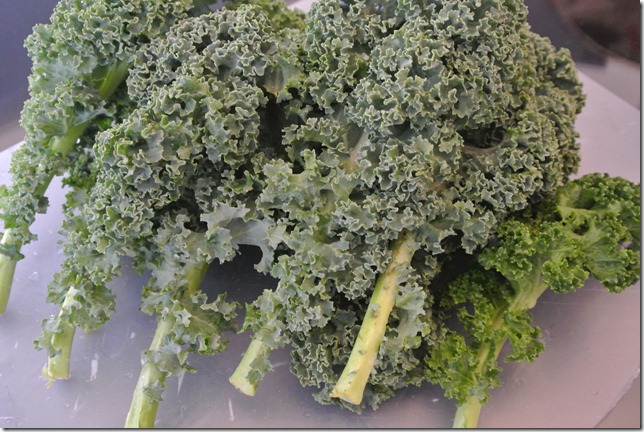
kale
This popular leafy green is a major source of vitamin K (one cup cooked contains almost 12 times your recommended daily value), which may help ward off heart disease and osteoporosis. Ask for Winterbor kale at your local farmers' market--in addition to vitamin K, this variety contains high levels of fiber, which can help lower blood pressure and cholesterol levels.

Eggplant

aubergine
The deep-purple skin gets its rich color and anti-aging power from nasunin, a nutrient that helps fight the spread of cancerous cells by cutting off the blood supply they need to multiply. Research also suggests that nasunin may slow the development of Alzheimer's disease by preventing free radicals from damaging neurons.

Red Bell Pepper

vegetable_red_bell_pepper_plants

This immunity-boosting superstar contains roughly 60 percent more vitamin C--which triggers the production of white blood cells that fight off germs and bacteria--than its green counterpart. It may also keep you looking young: A study in The American Journal of Clinical Nutrition found that people with diets high in vitamin C were less prone to wrinkles, possibly because the nutrient spurs the production of collagen.

Blackberries

blackberries-hanging
Rutin, a potentially lifesaving flavonoid (a class of antioxidants) found in high levels in this flavorful fruit, may block an enzyme linked to the formation of blood clots, lowering the risk of heart attack or stroke, according to a 2012 study from Harvard Medical School.

Basil

basil
One of the herb's medicinal properties comes from the antioxidant eugenol. Recent lab studies found that this compound sparks anticarcinogenic activity in cervical cancer cells, causing them to self-destruct.

Brussels Sprouts

DSC_0269
Our cells are naturally equipped with tumor-suppressing genes, and the sulfur compounds found in Brussels sprouts may help those genes by blocking enzymes that promote tumor growth. A 2012 study also found that these sulfur compounds could play a key role in treating rheumatoid arthritis by reducing inflammation and activating cartilage-protecting proteins.

http://shine.yahoo.com/shine-food/7-fruits-vegetables-reverse-signs-aging-182400432.html

Friday, April 26, 2013

Best Foods for Every Vitamin

The foods you eat do more than fill your belly; they give your body the nutrients it needs to survive. What you eat can affect how you feel today, and how you may feel years from now.

Some foods fuel your body’s natural disease-fighting abilities, which can reduce your risk of health problems. Other foods can deplete your energy and impair your digestive system. Click through the slideshow to learn about high-vitamin foods, which can help you get the nutrition you need.

Vitamin A is a fat-soluble nutrient that helps form and maintain healthy teeth, bones, soft tissues, and skin. This vitamin can also help ward off bacterial and viral infections, prevent night blindness, and keep hair and nails healthy.

Foods that are particularly high in vitamin A include:

  • sweet potatoes
  • carrots
  • spinach, kale, and collard greens
  • cantaloupe
  • apricots
  • winter squash

Vitamins B6, B12, and folic acid (B9) all assist proper nerve function, the synthesis of DNA, and the formation of red blood cells. They also help maintain brain function, prevent anemia, and are important for metabolism.

Foods particularly high in vitamins B6 and B12 include:

  • meat, poultry, and fish
  • seafood, including mussels and oysters
  • eggs
  • milk

Foods particularly high in folic acid include:

  • leafy green vegetables
  • poultry
  • certain fruit juices, including orange and grapefruit

Also known as ascorbic acid, vitamin C is a powerful antioxidant that protects the health of cells and improves iron absorption. It’s also important in promoting healthy teeth and gums, healing wounds, and helping the body resist infection.

Foods particularly high in vitamin C include:

  • papaya
  • citrus fruits
  • strawberries
  • bell peppers
  • broccoli
  • Brussels sprouts
  • dark leafy greens like kale, mustard greens, and chard

Vitamin D is a unique vitamin because it can also be created by the body from sunlight. It’s critical for bone health, immune system health, and calcium absorption. According to the National Cancer Institute (NCI), this vitamin is also associated with a possible decreased risk of colorectal cancer. However, whether it helps reduce risks of other cancers remains unclear.

Foods particularly high in vitamin D include:

  • some seafood such as salmon, herring, catfish, oysters, trout
  • milk
  • eggs
  • shiitake mushrooms

Like vitamin C, vitamin E is a powerful antioxidant that protects cells from damage, helps the body use vitamin K, and repairs muscle cells. Studies on vitamin E and cancer have produced mixed results. However, the American Cancer Society says that recent research shows vitamin E found in corn, soybean, and canola oils may have cancer-fighting properties.

Foods particularly high in vitamin E include:

  • sunflower seeds and almonds
  • spinach, Swiss chard, turnip greens
  • bell peppers
  • asparagus

Vitamin K is critical for the formation of blood clots. Without it, you could bleed to death from a simple cut. According to the National Institutes of Health, studies suggest that this fat-soluble vitamin also helps maintain bone strength in older adults.

Foods particularly high in vitamin K include:

  • kale, spinach, collard greens, Swiss chard, turnip greens, mustard greens
  • Brussels sprouts, asparagus
  • parsley
  • romaine lettuce
  • broccoli

Even if you want to eat a healthy diet, it can be a struggle to get in all the nutrients you need on a daily basis. It’s tempting to turn to supplements, but according to the American Heart Association, scientific studies aren’t clear if that is the best option. Instead, it may be better to stock up on high-vitamin foods that we know pack a nutritious punch.

Eating a healthy diet overall ensures adequate nutrition. Most nutrients are available in vegetables, leafy greens, fruits, nuts, and seafood. If you incorporate a variety of these options into your diet on a daily basis, you’re likely to get all of the nutrients you need for optimum health and wellness.

http://health.yahoo.net/articles/nutrition/photos/foods-pack-nutritious-punch-vitamins-k#0

http://health.yahoo.net/articles/nutrition/photos/best-foods-every-vitamin-and-mineral#0

Thursday, March 14, 2013

Mushroom Cultures & Supplies

http://www.spawnstation.com/

Did you ever want to grow mushrooms? You've come to the right place! We carry a wide range of mushroom growing supplies for the novices and experts alike. Not sure where to start? Visit our video and written guides on how to get started or shop our online catalog for turn-key solutions.

Spawn Station

Wednesday, March 13, 2013

How to Grow Mushrooms

Step 1: Pick the right culture
Pick the right culture spores for your skill level -- oyster and button mushrooms are the easiest to grow, while shiitake and morel mushrooms can be difficult.
Tip
Search online for the different types of spores and their difficulties.

Step 2: Choose a growing area
Choose a growing area that is cool, dark, and free from pests that may eat or contaminate your mushroom farm.
Tip
The best growing areas are basements or crawl spaces.

Step 3: Apply soil
Spread a dark, nutrient-rich soil evenly over a level growing bed to a thickness of about 2 inches.

Step 4: Sterilize substrate
Sterilize your substrate by soaking it in hot water or putting it in a pressure cooker to kill undesirable fungi and bacteria that can ruin your mushroom batch.
Tip
Different species of mushrooms thrive on different substrates, like straw, compost, wood chips, sawdust, newspaper, or cardboard.

Step 5: Apply substrate
Apply the appropriate substrate or growing medium over your soil to feed your hungry mushroom spores.

Step 6: Implant spores
Implant or inoculate the substrate with your mushroom spores and fine tune the temperature and humidity levels based on the species.
Tip
Some varieties require higher humidity than others. You may need a humidity tent to increase humidity levels.

Step 7: Look for sprouts
Look for sprouting, or "pinning," after about three weeks. The mushrooms will be ready for harvesting in as little as one month.

Did You Know?
A fungus colony discovered in Northern Oregon may be the largest single organism in the world, covering over 2,300 square acres -- that's about 1,665 football fields.

Tuesday, March 12, 2013

Growing Gourmet Mushrooms at Home from Waste Coffee Grounds

"Tried growing mushrooms before, and it didn't work" – if I had money for every time someone has said that to me I'd be a very rich man...and probably no longer a mushroom farmer! Mushrooms are notoriously unreliable to grow, partly due to the mass-produced low quality kits that people often try. Almost mystical organisms, they seem to pop up in the wild in an unpredictable way, often only appearing for just 5 or 6 days before vanishing back into the ground again, not to be seen in the same spot for another year or three. Yet, despite a poor reputation amongst home growers, by using a particularly simple technique and getting a bit of insight into how mushrooms grow, it is possible to successfully grow your own gourmet mushrooms at home. So how exactly are mushrooms cultivated? How can you have success at home? And more to that point - what's all this got to do with waste coffee grounds?

How Mushrooms Grow

How to grow your own mushrooms

Firstly, you must understand the life cycle of a fungus. Similar to the fruits produced by a tree, mushrooms are the reproductive fruits of a dense, root-like network of cells, called 'mycelium'. In the wild, this white network of fine threads grows out it all directions, breaking down its food into simpler molecules to further fuel its growth. When it runs out of food, or is put under some other form of environmental stress, it switches into survival mode and produces mushrooms in order to release its spores to the wind and find a better place to live. Fortunately for us humans, it's possible to recreate and manage this life cycle, and by doing so you can nurture many a fine crop of mushrooms for the table!

Now, it must be said that growing your own mushrooms is definitely more difficult than growing nearly any other crop if you use the standard methods. Mushroom farming normally relies on significant pasteurisation equipment and climatic control. This can be hard to recreate at home without spending a fortune.

Growing Oyster Mushrooms

Growing oyster mushrooms

The best advice for success is to start by growing Oyster mushrooms, the easiest and most forgiving variety for any home cultivator to grow. Next you must consider the growing medium. The most common materials to grow Oysters on are usually freshly cut hardwood logs or shredded straw. Growing mushrooms on logs can be quite hit or miss and will take up to a year for your first harvest. Growing on straw requires you to pasteurise the straw first, to kill off resident micro-organisms that will compete with your mycelium.

This is where coffee comes in. The beauty of growing mushrooms on fresh coffee waste is that the substrate is already pasteurised by the coffee brewing process, so you can bypass the whole pasteurising step and get straight into the inoculating. Plus, spent coffee grounds are a huge waste resource, and are packed full of nutrients which your Oyster Mushrooms love to grow on.

Inoculating

Tips for growing mushrooms

Firstly order your spawn in. You'll have greater success if you use a high spawn: coffee grounds ratio. To begin with, I'd recommend using around 500g of oyster mushroom spawn to each 2.5kg of spent grounds. If the vendor you purchase the spawn from also sells filter patch grow bags, get one of these too. They will increase your chance of success by reducing contamination and providing the perfect growing environment inside the bag. If you can't source one of these, you can try using a large 2 litre freezer bag, empty ice-cream tub or milk carton – cleaned out well, and with 4 x 5mm holes cut in the sides.

Coffee collection

Go to a busy café and ask them nicely if they can give you some spent grounds. You'll need enough to fill the bag or container you're using two-thirds full, and the grounds need to be fresh that day. Most cafes will be happy to do this – if you encounter any problems, just ask at another one. Large cafes get through kilos of the stuff every day, and most are happy to see it going to good use. Take it home and (within 24 hours whilst it's still fresh) weigh out 2.5kg of coffee into a clean mixing bowl.

Wash your hands and lower arms well and mix your spawn into the bowl, breaking it up and distributing it evenly throughout the coffee. Now load the mixture into your cultivation bag or container and close it up tight, ensuring you have cut the 4 air holes if you are not using the filter patch bags.

Spawn run

watching your mushrooms grow

Place your bag/container in a warm (64 – 77°F, 18C – 25°C) and dark place (airing cupboard, under a bed, in a cupboard in a heated room etc). During the next three weeks, you will see the spawn come to life and grow across the coffee grounds - turning the whole mixture white by the time it has fully colonised the mixture. It's a fun time to keep checking up on it and watch it grow from day to day.

Fruiting

After 3 weeks, your whole bag/container of the coffee and spawn mixture should now look completely white. If you see any areas of green, this is a competitor mould. If it is just a small patch, you can try adding a little salt to the area which should kill it off and still allow the mushroom mycelium to prosper. If the whole bag has gone green, then I'm afraid it's a lost cause and will most likely be caused by poor quality spawn, or by a lot of mould spores having been mixed in with the coffee grounds somewhere along the way. However, if you have used a high rate of spawn, fresh spent grounds and followed clean hygiene, the chances are you will be looking at a nice white bag of mycelium ready to fruit you some home grown mushrooms.

Place it in a spot with plenty of fresh air and a little light – a shaded windowsill or worktop is ideal. Cut a 5cm x 5cm (2in x 2in) hole in your bag/container and spray this area twice daily with water, trying not to allow it to dry out. Mushrooms love damp, humid conditions, and they will outright refuse to grow if it's too dry.

watching your mushrooms grow

After a week or so, you will start to see tiny little mushrooms bursting into life. Over the following 5-7 days they will double in size every day. This is a really fascinating time! Each day you wake up to find them larger; looking more and more meaty and ready for the eating. When the edge of the caps begin to turn upwards, it's time to harvest and enjoy the fruits of your labour. Cut at the base of the stems and get cooking!

We're grateful to Adam Sayner of Fungi Futures for sharing his fantastic method of growing mushrooms on coffee waste with our readers. If you'd like to save yourself the trouble of collecting coffee waste and inoculating the mixture, Adam sells ready-made kits on his website (www.fungi-futures.co.uk). We've used them ourselves and can definitely recommend them – unlike most mushroom growing kits they really work! If you are based in the US you might wish to check out Fungi Perfecti (http://www.fungi.com) for spawn.

http://www.growveg.com/growblogpost.aspx?id=261

Monday, March 11, 2013

How to farm mushrooms for Slow Food, medicine, bioremediation

Published on Mar 19, 2012

Ian Garrone started Far West Fungi- out of his garage- 25 years ago to introduce America to the wide variety of edible fungi. Today, the Garrone family farm 60,000 square feet of greenhouses filled with organic, sawdust-based mushrooms. They sell over 40 different types of mushroom at their San Francisco store, a relatively rare offering, given that button mushrooms account for about 87% of all domestic mushroom sales.

Garrone believes that mushrooms can add balance to your diet, serving as an ideal meat substitute. Mushrooms that grow on trees (the type grown at the Far West Fungi farm) are also considered medicinal.

Garrone didn't get into the business to help save the world, but somehow he's managed to help save his corner of the world. After San Francisco's last oil spill he helped provide an indigenous strain of oyster mushroom to a bioremediation project.

More info in original story: http://faircompanies.com/videos/view/...

Sunday, November 25, 2012

Water Intoxication: How Much Water is Too Much

Amid the modern day mantra to maintain hydration, or to "stay ahead of thirst," It is wise to acknowledge that drinking too much water has an ominous side.

It can be fatal.

Water intoxication affects non-elite athletes more commonly although it can happen to anyone who drinks more water than their body can manage. It is an increasingly recognized problem.

Ingesting an enormous quantity of water too quickly over a short time span causes water intoxication or over hydration because the water ingested exceeds the body's ability to metabolize it safely.

The resulting over hydration will cause dilutional hyponatremia; a state of low sodium levels in the body fluids outside the cells.

The effect on the body will be similar to a fresh water drowning.

When sodium levels drop in the fluids outside the cells, water seeps into the cells in an attempt to balance the concentration of salt outside the cells. The cells then swell because of the excess water. In severe cases, cerebral edema and fluid in the lungs manifests. All of which can be lethal, when left untreated.

As the water content of the blood increases, the body cannot excrete the fluids fast enough. The excess water then goes to the bowel, which pulls salt into it from the body diluting the concentration of sodium in the body tissues leading to massive cellular damage effecting muscle, brain, heart liver, and kidney function. When cell death occurs, water intoxication becomes water poisoning.

Among sodium's varied roles, it helps to maintain blood pressure, electrolyte equilibrium, and allows organs, muscles and nerves to work properly.

Healthy adult kidneys are capable of processing 15 liters of water or almost 4 U.S. gallons, per day, if one drinks the water in small quantities spread throughout the entire day.

It is not advisable, however, to drink 15 liters of water daily over a long period.

The United States Department of Agriculture, food and nutrition information center, in general recommends an average daily fluid intake, including liquids from foods and other beverages, of 2.7 liters or 91 ounces for women, and 3.7 liters or 125 ounces for men spread throughout the day.

It is important to realize that the center's recommendation varies more or less with body mass, activity level, heat, humidity, and health status.

In addition, the average healthy person should ingest no more than approximately 240 milliliters, or close to 8 ounces, in roughly an hour giving the body adequate time to absorb use and excrete the water effectively.

People with known health conditions, particularly conditions affecting water balance, should discuss hydration with a doctor specializing in their particular medical concern.

Hyponatremia, in various forms, affects a wide spectrum of people. It includes those with kidney, liver, endocrine, or heart disorders, and the elderly, as well as people with psychological disorders causing a pathological urge to drink water excessively.

It also, however, may affect otherwise healthy marathon runners who drink to excess for fear of dehydration, as well as people training hard such as boot camp soldiers, according to abstracts published by the National Institute of Health.

It was once thought that athletes should drink as much as they could before thirst set in.

That recommendation no longer applies. Excessive water drinking among inadequately trained non-elite athletes has become such a concern among sports doctors that guidelines are rapidly changing.

In marathons, non-elite athletes are more likely to suffer water intoxication than are elite athletes, due to lack of knowledge about their body's unique requirements.

Fluid and electrolyte needs are widely variable based on the athlete's genetics and environmental conditions.

Elite athletes typically know their body's hourly sweat rate and aim to slowly replace the total amount of fluids and electrolytes lost during that time. Generally, weight lost during exercise per hour + fluid consumed during exercise per hour = hourly sweat rate, according to The International Marathon Medical Directors Association.

Complicating matters is that indicators of water intoxication and dehydration are similar. The treatments, however, are vastly different. Furthermore, hyponatremia can kill more quickly than dehydration.

Thus, at marathons, doctors now do an on-the-spot test for blood sodium levels on collapsed runners to differentiate between hyponatremia and dehydration. Giving fluids to someone with hyponatremia could be fatal, but with dehydration it is life saving.

Moreover, in recent years, over hydration has become one of the most common reported causes of serious heat illness in the Grand Canyon.

Some people hiking the canyon drink large amounts of water and do not eat enough food to provide for electrolyte (salt, potassium) replacement and energy, wrote Patrick J. Bird, PhD, a Professor of Exercise and Sport Sciences at the University of Florida, in his 2000 newsletter.

Fears of dehydration has led to a mistaken belief that the safe thing to do is to drink as much and as often as possible, according to Bird.

Fluid requirements are complex and highly individualized. There is wide variability in sweat rates and renal water excretory capacity, depending on environmental conditions, as well as variable influence on the body's arginine vasopressin levels during exercise, as revealed in studies of hikers who developed hyponatremia in the Grand Canyon.

In addition, the peptide Vassopressin, released from the pituitary, also known as anti-diuretic hormone, fluctuates with the body's fluid and electrolyte balance, thereby influencing water excretion or retention.

Thus, blanket universal drinking guidelines are not possible, according to a consensus of 12 experts at The First International Exercise-Associated Hyponatremia Consensus Development Conference, Cape Town, South Africa, 2005

In Marathon runners, studies have shown that the consumption of a carbohydrate/electrolyte-containing sports drink does not protect against the development of hyponatremia from fluid excess, according to the Clinical Journal of the American society of nephrology.

Commercial sports drinks do not contain enough sodium, according to The International Marathon Medical Directors Association.

During the 2002 Boston Marathon, a 28-year-old woman reached Heartbreak Hill, after five hours of running and drinking sports drinks. She struggled to the top. Feeling awful and assuming dehydration, she chugged 16 ounces of liquid.

She collapsed within minutes.

She was brain dead. Her blood sodium level was determined to be dangerously low, according to Dr. Arthur Siegel, of the Boston Marathon's medical team and the chief of internal medicine at Harvard's McLean Hospital.

In February 2005, a Chico State University student, Matthew Carrington, died after being forced to repeatedly drink from a 5-gallon jug and then do calisthenics, during a fraternity hazing.

Carrington was taken to Enloe Medical Center, where his heart stopped. He was pronounced dead from swelling of his brain and lungs caused by water intoxication.

In January 2007, Jennifer Strange, a 28-year-old suburban Sacramento woman died of apparent "water intoxication" after participating in a contest - "Hold Your Wee for a Wii" - sponsored by local radio station 107.9 KDND. Contestants were asked to drink 8-ounce bottles of water every 15 minutes, without urinating.

Witnesses estimated that Strange swallowed about 2 gallons or about 7 liters of water in approximately three hours.

An autopsy, performed days later by Sacramento County assistant coroner Ed Smith, revealed no traces of "life-threatening medical conditions" that would have otherwise explained Strange's sudden death.

During January 2000, a 20-year-old trainee in the Army drank around 12 quarts, or 3 gallons, of water during a 2- to 4-hour period while trying to produce a urine specimen for a drug test.

She experienced fecal incontinence, lost consciousness, became confused, and died from swelling in the brain and lungs as a result of low blood sodium, wrote Colonel John W. Gardner, medical examiner of the Office of the Armed Forces, in Military Medicine, 2002;167:432-434.

Quick expert medical attention can often save a victim's life by reinstating electrolyte balance, if too much tissue destruction has not occurred.

When blood sodium testing confirms hyponatremia, oral electrolyte-containing fluid replacement does not work well.

Fluid and electrolyte replacement is complex. The right type of fluid-replacement fluid is critical. Treatment of dilutional hyponatremia traditionally includes the administration of a small volume of concentrated salt solution intravenously, as well as oxygen, and other supportive measures.

A newer investigational oral drug, Tolvaptan, a vassopressin V2-receptor antagonist, is proving to treat water overload, in acute and chronic hyponatremia faster, and more effectively, than other treatments.

It works, without significant side effects, according to the results of two large studies presented at the American Heart Association's November 2006 sessions, by Mihai Gheorghiade, M.D., a cardiologist and professor of medicine at USA's Northwestern University.

The easy-to-administer oral drug, developed by Otsuka Pharmaceutical, begins to normalize serum sodium within hours. The normalization is sustained during long-term therapy.

Details of the two studies are in the November 16, 2006 issue of the New England Journal of Medicine.

http://voices.yahoo.com/water-intoxication-much-water-too-much-201296.html

Wednesday, May 16, 2012

Sugar can make you dumb, US scientists warn

Eating too much sugar can eat away at your brainpower, according to US scientists who published a study Tuesday showing how a steady diet of high-fructose corn syrup sapped lab rats' memories. Researchers at the University of California Los Angeles (UCLA) fed two groups of rats a solution containing high-fructose corn syrup -- a common ingredient in processed foods -- as drinking water for six weeks. One group of rats was supplemented with brain-boosting omega-3 fatty acids in the form of flaxseed oil and docosahexaenoic acid (DHA), while the other group was not. Before the sugar drinks began, the rats were enrolled in a five-day training session in a complicated maze. After six weeks on the sweet solution, the rats were then placed back in the maze to see how they fared. "The DHA-deprived animals were slower, and their brains showed a decline in synaptic activity," said Fernando Gomez-Pinilla, a professor of neurosurgery at the David Geffen School of Medicine at UCLA. "Their brain cells had trouble signaling each other, disrupting the rats' ability to think clearly and recall the route they'd learned six weeks earlier." A closer look at the rat brains revealed that those who were not fed DHA supplements had also developed signs of resistance to insulin, a hormone that controls blood sugar and regulates brain function. "Because insulin can penetrate the blood-brain barrier, the hormone may signal neurons to trigger reactions that disrupt learning and cause memory loss," Gomez-Pinilla said. In other words, eating too much fructose could interfere with insulin's ability to regulate how cells use and store sugar, which is necessary for processing thoughts and emotions. "Insulin is important in the body for controlling blood sugar, but it may play a different role in the brain, where insulin appears to disturb memory and learning," Gomez-Pinilla said. "Our study shows that a high-fructose diet harms the brain as well as the body. This is something new." High-fructose corn syrup is commonly found in soda, condiments, applesauce, baby food and other processed snacks. The average American consumes more than 40 pounds (18 kilograms) of high-fructose corn syrup per year, according to the US Department of Agriculture. While the study did not say what the equivalent might be for a human to consume as much high-fructose corn syrup as the rats did, researchers said it provides some evidence that metabolic syndrome can affect the mind as well as the body. "Our findings illustrate that what you eat affects how you think," said Gomez-Pinilla. "Eating a high-fructose diet over the long term alters your brain's ability to learn and remember information. But adding omega-3 fatty acids to your meals can help minimize the damage." The study appeared in the Journal of Physiology.

Friday, February 10, 2012

FW: How to stay young


HOW TO STAY YOUNG

1. Throw out nonessential numbers. This includes age, weight and height. Let the doctor worry about them. That is why you pay him/her.

2. Keep only cheerful friends. The grouches pull you down.

3. Keep learning. Learn more about the computer, crafts, gardening, whatever. Never let the brain idle. " An idle mind is the devil's workshop," And the devil's name is Alzheimer's.

4. Enjoy the simple things.

5. Laugh often, long and loud. Laugh until you gasp for breath.

6. The tears happen. Endure, grieve, and move on. The only person who is with us our entire life, is God. Be ALIVE while you are alive.

7. Surround yourself with what you love, whether it's family, pets, keepsakes, music, plants, hobbies, whatever. Your home is your refuge.

8. Cherish your health: If it is good, preserve it. If it is unstable, improve it. If it is beyond what you can improve, get help.

9. Don't take guilt trips. Take a trip to the mall, to the next county, to a foreign country, but NOT to where the guilt is.

10. Tell the people you love that you love them, at every opportunity.

AND ALWAYS REMEMBER:
Life is not measured by the number of breaths we take, but by the moments that take our breath away.

Thursday, February 2, 2012

FW: Too much sitting is bad for your health

Hours of uninterrupted sitting can be bad for your health, according to a growing body of medical research.

● A recent study from the American Cancer Society reported that the more leisure time people spent sitting was associated with a higher risk of death. Women who reported sitting for more than six hours per day were about 40% more likely to die during the course of the 14-year study than those who sat for fewer than three hours per day. Men were about 20% more likely to die.

● A study published in the American Journal of Epidemiology showed that sitting for long stretches, more than six hours a day, can make someone at least 18% more likely to die from diabetes, heart disease and obesity than those sitting less than three hours a day.

Even if you exercise for 30 minutes a day, five days per week, it may not be enough to counteract the effects of too much sitting during the rest of the day. If you exercise for 30 minutes and sleep for eight hours, that still leaves 15.5 hours in the day. If you have a sedentary job and engage in sedentary activities after work, you are sitting a lot more than moving.

Health experts say the key to staying healthier is to integrate movement into your day as much as possible. The human body is made to move. When you sit for an extended period of time, your body starts to shut down at the metabolic level, negatively influencing things like triglycerides, high density lipoprotein, cholesterol, fasting plasma glucose, resting blood pressure, and leptin, all of which are biomarkers of obesity, cardiovascular disease and other diseases.

How to sit less and move more at work

If you find yourself sitting for hours on end, interrupt your patterns. Stand up, move around and get your blood flowing for at least a few minutes every hour. Other suggestions:

● Stand or move around when talking on the phone ● Walk to a colleague to talk rather than sending an email ● Hold a walking meeting with a colleague ● Take the stairs instead of the elevator ● Use the restroom or water fountain on a different floor
● Move your trash can or printer further away from your desk so you need to get off your chair to access them
● Increase your walking. Buy a pedometer and build up to 10,000 steps per day

Thursday, January 19, 2012

4 Bad Habits that Are Making You Sick


What happens when you don't sleep enough, skip breakfast, don't exercise, or hold grudges? Find out how these behaviors are harming your health.

What happens when I only sleep five hours?

The inside story: No one knows for sure why sleep is necessary, but there's no doubt that getting too little throws a wrench into your body's works. For example, studies show that a sleep debt lowers levels of the hormone leptin, which helps keep your appetite under control. Implication: Sleep too little, and there's a good chance you'll be soon overeating. Sleep deprivation also boosts levels of stress hormones, which prompt your body to send more glucose into your bloodstream. Too little sleep also makes your body less sensitive to insulin.

But that's just the beginning. Research shows that sleeping too little shuts down production of certain chemicals in the immune system that defend your body against germs. Shortchange yourself on shut-eye and you may want to have a box of tissues and cough medicine handy: A 2009 study found that people who sleep less than seven hours a night are up to three times more likely to develop a cold.

Other studies show that even modest sleep deprivation - cutting back from your usual eight hours a night to six hours, for instance - can turn up levels of chronic inflammation, which increases the risk for many conditions, including heart attacks, strokes, and osteoporosis.

PLUS: 8 Things That Are Making You Fat

Then, there are the immediate effects. When the alarm clock blares you out of a deep sleep, you're apt to start the day in a sour mood. As the day passes, you're also likely to feel dull witted and foggy. Some neurologists believe that one purpose of sleep is to give your brain a chance to build and strengthen the wiring between neurons. Studies show that well-rested people learn new information faster and have sharper memories. Short sleep reduces your reaction time, too, making you at risk for car accidents and other mishaps.

BOTTOM LINE: While some people can get by on relatively little sleep, most of us need seven to eight hours a night. Experts say one sign that you're getting adequate sleep is that you can wake up on time every day without using an alarm clock.

What happens when I skip breakfast?

The inside story: When you wake up after a long night's rest, your body has gone as much as 12 hours without a meal. That means one thing: You need fuel. More precisely, it means there's probably a shortage of glucose in your bloodstream. If you don't eat breakfast and head out the door with low blood sugar, one organ in particular won't be operating at full speed: your brain, which requires a steady flow of blood sugar to run effectively. And even a mild case of low blood sugar can leave you queasy and jittery. You may also feel less sharp-witted. Studies of school children have shown repeatedly that kids who eat breakfast have better memories and learn more than their classmates who don't.

What's more, blowing off breakfast is a set-up for pigging out later on. "Breakfast is important for keeping your appetite under control the rest of the day," says endocrinologist Suma Dronavalli, MD, of the University of Chicago Medical Center. In other words, skip breakfast and by noontime your groaning stomach will convince you to skip the salad and order a Dagwood-size sandwich, instead. Most people more than compensate for the calories they miss at breakfast by overeating at lunch and dinner - especially foods high in saturated fat, the kind that plugs arteries.

PLUS: Lose Weight Around the Clock

Meanwhile, breakfast skippers are also more likely to snack on junk food between meals. One study found that women who usually nixed breakfast were able to take off four pounds - simply by adding a nutritious meal in the morning. Eat breakfast regularly and you'll not only lose weight, but your blood sugar should shape up, too.

BOTTOM LINE: More than three quarters of people who lose weight and keep it off eat breakfast. Sitting down for the morning meal may also make you up to 50 percent less likely to develop insulin resistance, the problem that causes type 2 diabetes.

What happens when I spend the day sitting around?

The inside story: Remember that old saying "the devil finds work for idle hands"? Spending a lazy day on the sofa may not seem evil to you, but your body finds plenty of ways to make trouble with the sugar, or glucose idling in your bloodstream. Taking a walk or getting any other type of physical activity forces muscle cells to soak up glucose, which it uses to produce energy. On a day when you don't give your muscles enough work to do, glucose goes unused. Over time, a sit-around lifestyle encourages two major problems:

* Your body converts some unused sugar to fat. Build up too much and your butt, thighs, and belly will expand. The latter flab depository is the most worrisome; research shows that fat cells around the waistline produce chemicals that cause insulin resistance and low-grade inflammation, which promotes heart disease and other conditions.

* Having lots of glucose lingering in the blood increases levels of dangerous compounds called AGEs that damage nerves and blood cells. That's why high blood sugar causes diabetes complications such as blindness and kidney disease.

Getting up off the sofa and heading out the door for a walk can help you to avoid these fates, of course. Exercise is a reliable fat burner and research shows that physical activity lowers levels of AGEs, too - among many other benefits.

BOTTOM LINE: Sitting around all day may help you get caught up on your favorite cable shows, but it is also a set-up for bad blood sugar, weight gain, and all the problems they can cause.

PLUS: 13 Ways to Have More Energy at Work

What happens when I spend the day really angry?

The inside story: There's nothing wrong with getting angry - it's perfectly natural and healthy to get ticked off now and then. Staying angry is another matter altogether: It's terrible for you. Apart from wrecking your mood and alienating others, fuming all day can make it much harder to manage diabetes. Anger is a form of emotional stress, which causes your body to release adrenaline and other related hormones. One effect of these "stress" hormones is to raise blood sugar. Also, stress may make you indulge in bad habits, such as eating junk food, which can make matters worse.

There's more. Letting your anger boil all day can damage your heart. Do you get irked and annoyed now and then, but you're able to shrug it off? No big deal. But scientists now know that clinging to anger raises blood pressure. While that's not a big surprise, a recent Yale study found that people who tend to let their anger stew also have high levels of a substance called endothelin, which is known to trigger heart attacks by causing plaques in the arteries (clumps of fat, cholesterol, and other gunk) to burst open and form blood clots. Other research has found that intense, sustained anger can actually cause an arrhythmia, or irregular heartbeat, which can stop your ticker from ticking - permanently.

BOTTOM LINE: Day-long anger can be toxic, so find a way to let it go. Write down your rage in a journal. If a friend or family member made you mad, tell 'em. Or just go outside and scream - whatever helps you blow off steam.

http://shine.yahoo.com/healthy-living/4-bad-habits-making-sick-151800574.html